
- Buy Crypto
- Markets
 Futures
- Spot
- Copy Trade
- Earn
- More
User Guide: Why Does Bitcoin Have Value?

Why do some investors eagerly buy Bitcoin even when its price exceeds $120,000, while others dismiss it as fundamentally worthless? Is cryptocurrency a revolutionary store of value and technological innovation—or merely a modern-day tulip mania poised to collapse?
This ongoing debate reflects deep divisions around the nature of value, trust, and technological progress in the digital age. In this article, we’ll examine both sides of the argument and explore how the market ultimately assigns value to crypto assets.
Philosophy Behind Economics and Financial Markets
In economics, the notion of value carries a rich and foundational history, tracing back to ancient philosophical debates. A persistent and influential idea throughout has been that value emerges from the so-called “invisible hand”—a metaphorical mechanism through which supply and demand interact organically to establish the worth of goods and services in a free market.
In contemporary finance, value is most commonly framed through two complementary lenses: market value and intrinsic value. Market value denotes the current price at which an asset can be bought or sold in an open marketplace. Intrinsic value, by contrast, refers to an estimate of an asset’s true underlying worth, independent of its fluctuating market price. Different asset classes rely on distinct methodologies for assessing intrinsic value. For instance:
- Stocks: Often valued using models such as the Discounted Cash Flow (DCF), which calculates the present value of expected future cash flows generated by the company.
- Commodities: Valued through fundamental analysis of demand and supply dynamics, including geopolitical, seasonal, and macroeconomic factors that affect availability and consumption.
- Currencies: Evaluated using models like Purchasing Power Parity (PPP) and Interest Rate Differentials (IRD), which incorporate relative purchasing power and interest rate levels between economies to determine fair exchange rates.
Why Does Bitcoin Have Value?
Bitcoin exhibits traits of both a commodity and a currency, making it a distinctive hybrid within the global financial system. This dual identity contributes to its unique value proposition and complicates traditional valuation approaches.
As a digital commodity, Bitcoin shares key attributes with physical commodities such as gold and oil. Its supply is algorithmically capped at 21 million coins, creating verifiable scarcity that supports its role as a store of value. The energy-intensive mining process and decentralized architecture further reinforce its commodity-like characteristics. It is worth noting that Bitcoin has been formally classified as a commodity by the U.S. Commodity Futures Trading Commission (CFTC) since 2015.
Simultaneously, Bitcoin functions effectively as a borderless digital currency. It enables fast, peer-to-peer transactions across geographies with minimal intermediary involvement, often at lower costs than conventional systems. These properties—combined with its censorship-resistant and self-custodial nature—offer users unprecedented financial sovereignty and privacy.
Given this hybrid profile, Bitcoin’s intrinsic value is shaped by both commodity-style scarcity dynamics and currency-like utility demand. Understanding the interplay between these roles—as well as the market forces of supply and demand—is essential to evaluating its long-term economic substance and price behavior.
The Utility and Demand for Bitcoin
Bitcoin is often referred to as "digital gold," operating on a decentralized blockchain that ensures security and immutability. With a fixed supply capped at 21 million coins, Bitcoin embodies scarcity and serves as a potential hedge against inflation. Its high degree of divisibility accommodates both small and large transactions, broadening its accessibility. These store-of-value attributes have drawn increased interest from investors seeking alternatives to traditional commodities like gold.
Within investment portfolios, Bitcoin has emerged as a tool for diversification. Institutions—including hedge funds, asset managers, and corporations—increasingly acknowledge its potential to deliver uncorrelated returns and improve risk-adjusted performance. The growth of regulated financial instruments such as exchange-traded funds (ETFs) and futures contracts on platforms like the CME has bolstered Bitcoin’s legitimacy, driving demand while enhancing market liquidity and stabilizing prices.
As a digital currency, Bitcoin enables seamless global peer-to-peer transactions. Through cryptographic verification and mining, transactions are securely recorded on a public ledger, granting users greater control and fostering trust. Network effects play a crucial role in expanding Bitcoin’s utility: as more corporations integrate Bitcoin payments, a positive feedback loop strengthens adoption, liquidity, and mainstream acceptance.
In economies with unstable national currencies, Bitcoin is increasingly regarded as a potential reserve asset or legal tender. It offers a decentralized and globally accessible store of value, helping mitigate the effects of hyperinflation and economic volatility. El Salvador’s groundbreaking adoption of Bitcoin as legal tender in 2021 exemplifies its potential to advance financial inclusion and stability—particularly for unbanked populations. In such contexts, demand for Bitcoin stems from the need for a resilient and universally accessible financial instrument.
Limited and Fixed Supply of Bitcoin
Bitcoin was designed by its creator, Satoshi Nakamoto, with a fixed maximum supply of 21 million coins—a hard cap embedded irreversibly into the protocol. This built-in scarcity distinguishes Bitcoin from commodities such as gold, whose total supply remains uncertain. By eliminating arbitrary inflation and supply manipulation, Bitcoin’s predictable emission schedule enhances its perceived value and positions it as a truly scarce digital asset.
New bitcoins are introduced through a process called mining, which serves two essential functions: it validates transactions on the blockchain and issues new coins as rewards. Miners use specialized hardware to solve cryptographic puzzles. Successfully adding a block of transactions to the chain is rewarded with bitcoin, incentivizing participants to contribute computational power to secure the network.
Bitcoin mining is highly resource-intensive, demanding substantial electricity and computational capacity. As more miners join the network, competition increases, and the mathematical challenges become more difficult. Additionally, the block reward undergoes periodic “halving,” reducing by half approximately every four years. This controlled deceleration of new supply requires miners to continually evaluate the economic viability of their operations. Their collective activity directly influences the pace at which new bitcoin enters circulation.
Is Bitcoin a Store of Value?
Bitcoin possesses a range of characteristics that make it a compelling modern store of value, positioning it as a digital alternative to traditional assets such as precious metals, fiat currencies, and government bonds. For an asset to effectively serve as a store of value, it must meet several key criteria—all of which Bitcoin fulfills in distinctive ways:
- Durability: Bitcoin is inherently durable. As long as the network is maintained by distributed nodes, Bitcoin cannot be destroyed. It exists purely digitally, making it more resilient than physical cash or even precious metals.
- Portability: Bitcoin is highly portable. With internet access and control of private keys, users can transfer or access their holdings anywhere in the world, almost instantly.
- Divisibility: Each bitcoin can be divided into 100 million units known as satoshis. This allows for micro-transactions and makes Bitcoin usable at virtually any scale.
- Fungibility: Every bitcoin and satoshi is interchangeable and uniform. This ensures that Bitcoin can serve as a consistent medium of exchange worldwide.
- Scarcity: Bitcoin’s supply is algorithmically capped at 21 million coins. This fixed supply—coupled with coins that are permanently lost over time—enhances its scarcity compared to inflationary fiat currencies.
- Acceptability: Bitcoin is increasingly accepted by individuals, merchants, and institutions. Its adoption continues to grow as blockchain technology gains mainstream traction.
These attributes collectively strengthen Bitcoin’s claim to being “digital gold.” If you’d like to dive deeper into this topic, you may find further insights in the article Is Bitcoin a Store of Value?.
Conclusion
Bitcoin’s value is complex and doesn't fit neatly into traditional asset categories. It exhibits properties of money—like being a medium of exchange—yet operates without government backing. It’s digitally scarce like a commodity, yet exists purely in code.
While misunderstandings have led some to dismiss Bitcoin as a scam or Ponzi scheme, these claims are unfounded. In reality, Bitcoin runs on a highly secure decentralized network, and derives measurable value from the trust and adoption of its global community, investors, and users.
Further Reading
- Is Bitcoin a Store of Value?
- How to Trade Bitcoin Futures on WEEX?
- User Guide: How to Buy and Store Bitcoin?
- What Is Bitcoin and How Does It Work?
- What Is Bitcoin? A Simple Guide for Crypto Beginners
Disclaimer: The opinions expressed in this article are for informational purposes only. This article does not constitute an endorsement of any of the products and services discussed or investment, financial, or trading advice. Qualified professionals should be consulted prior to making financial decisions.
You may also like

US-Iran Tensions Boil Over: How War Rewires the Crypto Market
In an era of intensifying geopolitical friction, the crypto market is reacting to and absorbing shocks far faster than traditional finance (TradFi).
Trade here: [BTC/USDT] | [XAUT/USDT] | [XAG/USDT]
Trade here:Gold & silver 0% fees
Middle East Escalation: Bitcoin Leads the "War Premium"Over the past 96 hours, the global order has been shaken to its core. As the only 24/7 financial frontline, the crypto market has been the first to "foot the bill" for the war premium:
February 28: The US and Israel launch massive airstrikes, deploying over 1,200 missiles. Bitcoin (BTC) flash-crashes 4.4%, while Gold and Crude Oil spike 1.3% and 4%, respectively.Same day: Reports confirm the death of Iran’s Supreme Leader Khamenei and several high-ranking officials. As rumors of the "decapitation strike" conclude, BTC stages a aggressive V-shaped recovery, while Gold enters a consolidation phase.March 1–2: Iranian forces retaliate with missile strikes against US and Israeli positions. While the Foreign Ministry initially denies intentions to block the Strait of Hormuz, the Islamic Revolutionary Guard Corps (IRGC) officially closes the chokepoint on March 2, sending oil prices into the stratosphere.March 3: Donald Trump asserts US military superiority, stating the military is "locked and loaded." Concurrently, capital flight from Iranian crypto exchanges surges by 700%.Because traditional markets are closed over the weekend, crypto has become the ultimate "relief valve" and 24/7 outlet for investors to hedge risks and bet on real-time developments.
A Look at the Rearview Mirror: History Doesn’t Repeat, But It RhymesPast geopolitical conflicts show a strikingly consistent pattern: Short-term emotional shockwaves followed by mid-to-long-term rallies driven by safe-haven demand and liquidity expectations.
2022 Russia-Ukraine War: BTC dropped 7% on Day 1 but rallied 25% within a month.2023 Israel-Hamas Conflict: BTC dipped 5% in a week, only to surge over 80% three months later.2025 Iran-Israel Clash: An initial 7.5% weekly slide was followed by a 25% recovery within 30 days.When chaos breaks out, liquidity is often the first casualty, and Bitcoin usually bears the brunt of the initial "sell everything" panic. However, its identity as a "non-sovereign asset" eventually brings it back to its original trajectory—and often beyond.
"This Time is Different": The New GuardTo be specific, the market resilience is markedly stronger than before.
Since the fourth halving, institutional players have taken the wheel. While the current conflict is arguably more intense than previous ones, Bitcoin’s drawdowns are shallower and shorter.
Simultaneously, spot ETFs and institutional "Diamond Hands" are playing the long game; they don’t liquidate over weekend headlines. This structural maturity provides a massive liquidity buffer that absorbs emotional selling.
The conflict is far from over. If the Strait of Hormuz remains blocked for the long haul, the market narrative will shift from a simple "inflation hedge" to a "global recession defense".
While the smoke of war has been seen, a new financial order is quietly taking root on-chain. We are keeping a close monitor.
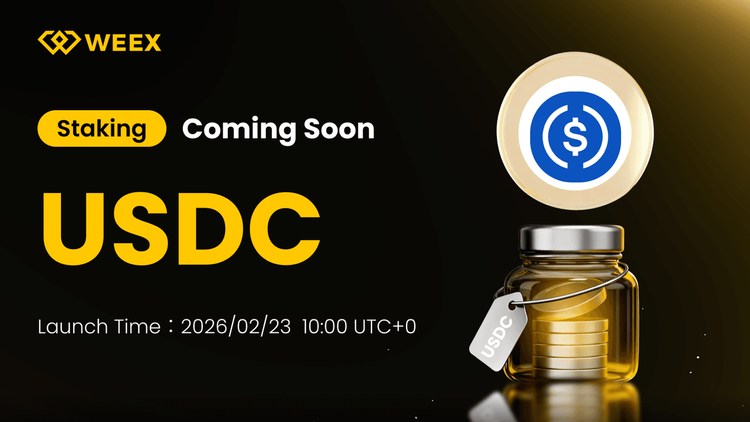
How to Earn Passive Income with USDC: WEEX Launches Flexible USDC Staking
WEEX officially introduces USDC Staking, a flexible and stable earning product designed for users who want to grow their digital assets efficiently while maintaining liquidity. With competitive APR, low entry threshold, and flexible redemption, USDC Staking provides a simple and secure way to generate passive income directly within the WEEX ecosystem.
Whether you are an active trader optimizing idle capital or a long-term holder seeking steady returns, WEEX USDC Staking is built to enhance capital efficiency in all market conditions.
What Is USDC Staking and How Does It Work on WEEX?WEEX USDC Staking is a flexible earning product that enables users to generate passive income by staking their USDC directly on the WEEX platform. By participating, users receive a competitive annual percentage rate (APR) while maintaining convenient access to their funds.
Designed for simplicity and efficiency, WEEX USDC Staking allows seamless subscription and redemption within the WEEX App and Web. There is no need for on-chain transfers, external wallets, or complex DeFi operations — users can start earning with just a few clicks from their WEEX account.
Why Stake USDC? Benefits of Earning Yield on StablecoinsStablecoins play a crucial role in digital asset portfolios. USDC, as one of the most widely adopted stable assets, is widely used as trading collateral, a hedging tool during volatile market conditions, and a core asset for capital allocation across different strategies. Its price stability makes it an essential component for both active traders and long-term investors managing risk exposure.
However, idle USDC often generates no return. WEEX USDC Staking addresses this inefficiency by allowing users to earn yield on their stable assets without sacrificing liquidity or flexibility. By transforming dormant capital into productive assets, it enhances overall capital efficiency — delivering value in both bullish and bearish market cycles.
USDC Staking APR, Flexibility, and Key Advantages on WEEXWEEX USDC Staking offers a competitive and stable 3.5% APR, allowing users to earn consistent returns on their USDC holdings without exposure to significant market volatility. Compared with major platforms such as Coinbase, WEEX provides a market-competitive yield designed to enhance capital efficiency while maintaining stability. This makes it an efficient solution for generating predictable returns with a conservative risk profile.
The product is designed with flexibility at its core. Users can subscribe and redeem funds based on their liquidity needs, without being restricted by long lock-up periods. This ensures greater control over capital allocation, whether for active trading or strategic portfolio management.
In addition, WEEX USDC Staking is fully integrated within the WEEX ecosystem. All operations are completed directly through the WEEX App or Web, eliminating the need for external wallets or complex DeFi interactions. By transforming idle USDC into yield-generating assets, the product enhances overall capital efficiency while preserving accessibility.
Who Should Stake USDC? Benefits for Crypto Traders and Long-Term InvestorsFor active traders on WEEX, USDC Staking provides a way to put idle funds to work. Instead of leaving unused USDC sitting in an account between trades, users can generate yield while maintaining the flexibility to reallocate capital when new market opportunities arise.
For long-term holders and risk-conscious investors, USDC Staking offers a relatively stable income option within the platform. By earning yield on stable assets, users can enhance portfolio performance without taking on additional exposure to price volatility.
Overall, WEEX USDC Staking improves capital efficiency across different user profiles. Whether optimizing short-term liquidity or seeking steady passive returns, users can manage, grow, and access their assets seamlessly within the WEEX ecosystem.
About WEEXFounded in 2018, WEEX has developed into a global crypto exchange with over 6.2 million users across more than 150 countries. The platform emphasizes security, liquidity, and usability, providing over 1,200 spot trading pairs and offering up to 400x leverage in crypto futures trading. In addition to the traditional spot and derivatives markets, WEEX is expanding rapidly in the AI era — delivering real-time AI news, empowering users with AI trading tools, and exploring innovative trade-to-earn models that make intelligent trading more accessible to everyone. Its 1,000 BTC Protection Fund further strengthens asset safety and transparency, while features such as copy trading and advanced trading tools allow users to follow professional traders and experience a more efficient, intelligent trading journey.
Follow WEEX on social media:X: @WEEX_Official
Instagram: @WEEX Exchange
Tiktok: @weex_global
Youtube: @WEEX_Official
Discord: WEEX Community
Telegram: WeexGlobal Group

BTC Approaches $60K: Crypto Isn't Dead, It's Just Filtering the Noise
Macro disturbances, leverage collapses, and sluggish trading volumes are the hallmarks of every crypto bear market.
Let's temporarily step back from the AI bubble of June 2028 and focus on the crypto market in February 2026. Recently, BTC has fallen back to the $60K level, and the market is quiet and sluggish. We've reached another critical juncture where we should learn from history.
To truly grasp the "chill" in 2026, we first need to break down what happened during those "freezing moments" in previous bear markets.
The ICO Bubble Burst and Regulatory Winter of 20182018 marked a full year of the crypto market swinging from euphoric bull runs to a deep freeze bear phase. Bitcoin plummeted from its late — peak of nearly $20,000 to around $3,200 in 2017, with the overall market cap evaporating by over 80%. The industry went through the growing pains of shifting from wild speculation to more grounded buildings.
The key themes of this bear market were "liquidity drought and shattered faith."
The macro environment back then was brutally harsh:
- Global economic recovery was sluggish, and the Fed kicked off a rate-hike cycle, raising rates four times that year and ending with the federal funds rate at 2.25%-2.50%;
- China had already banned ICOs and exchanges the previous year, and in 2018, the U.S. SEC ramped up scrutiny and lawsuits, with many countries and regions following suit with their own bans.
At the same time, the massive wealth-creating ICO frenzy from 2017 finally popped, with hacks hitting platforms like Mt.Gox and Bitfinex fueling the panic. Many mining operations have been shut down in droves, and "blockchain is a scam" became the mainstream media's go-to narrative.
In terms of impact, this bear cycle wiped out over 95% of ICO projects, but as every cloud has a silver lining, it paved the way for the DeFi boom in the next bull run. Some institutions started dipping their toes into Bitcoin on a small scale.
The Leverage Meltdown and Rate-Hike Crisis of 2022In 2022, Bitcoin tumbled from $69,000 to around $15,000, with the drop less severe than in 2018.
Compared to 2018, the 2022 bear market was also fueled by macro disruptions and a restructuring of the existing ecosystem.
Macros sucked up liquidity like a vacuum:
- Post- pandemic economies were dealing with persistent high inflation, and the Fed hiked rates seven times to 4.25%-4.50%, marking the fastest, largest, and most frequent dollar rate increases since 1982.
- Regulatory pressures escalated again, with the EU reaching key agreements on MiCA regulations, and the U.S. SEC tightening enforcement on stablecoins and exchanges.
Inside the crypto space, it was a chain reaction starting with the Terra/Luna algorithmic stablecoin collapse, which dragged down Celsius, Three Arrows, FTX, and others into bankruptcy. Sectors like NFTs, GameFi, and the metaverse fell into a deep slumber.
Even though the market turned chilly once more, long-term holders (LTH) started hitting record-high holdings, institutions like MicroStrategy ramped up their stakes dramatically, and the purge of CeFi ecosystems sped up the rise of self-custody, Layer2 solutions, and more.
In-depth compliance review in 2026Heading into 2026, Bitcoin has broken below $80K, $70K, and $60K one after another. The Fear & Greed Index has spent a whopping 26 days in extreme fear territory over the past month, and Google searches for "Bitcoin is dead" have spiked to all-time highs—familiar bear market vibes making a comeback.
Compared to the past, the spread of market risks has intensified short-term sell-offs, but the underlying logic is a bit different:
- Even though we're in a mild rate-cutting phase right now, as we discussed in "Gold & Silver Hit New Highs, Is Bitcoin's Safe-Haven Narrative Losing Its Luster?", funds are flocking to gold and silver for shelter amid escalating sovereign debt crises, U.S. tariff trade wars, and potential threats to Fed independence. A certain number of crowds even reckon that AI has overtaken Web3 as the hot tech story, putting crypto right in the crosshairs.
- On the regulatory front, U.S. crypto policies have turned more friendly, but the odds of the CLARITY bill passing have taken a nosedive.
Of course, in this round of innovation narratives, we've seen a ton of high-funding, high-FDV infrastructure projects without real revenue keep tumbling. Narratives like Layer2, Restaking, and Memecoins have gone quiet, while the ETF story has ushered in an institution-dominated era. Right now, privacy, prediction markets, and stablecoins are still leading the pack.
If we look at volatility, as shown in the chart below, Bitcoin's 60-day average volatility has been trending downward year by year—a clear shift. Unlike the bubble bursts of 2018 or the leverage blowups of 2022, 2026 feels more like a weary adjustment. Although it was cold, it felt more like a mild winter.
While it's too early to call it the "market bottom", it's clear that the chill in 2026 isn't the dramatic crash of old bear cycles — more like a deep recalibration in this era of hyper-compliance.
For investors, the long-term upward potential in crypto markets far outweighs the downside risks. However, where will the next wave of narratives pivot to? As the proverb says, "Time will tell" — let's keep our eyes peeled.
Buy BTC with Mercadopago on WEEX P2P – 0 Fee & 24/7 ARS Merchants
Mercadopago is widely recognized in Argentina as a trusted and reliable option for fast and seamless BTC currency purchases using ARS. With WEEX P2P, users can buy BTC directly through Mercadopago with zero fees, access 24/7 verified merchants, and enjoy ultra-fast release times.
Compared with Binance, Bybit, and local OTC platforms, WEEX consistently offers better ARS exchange rates, safer escrow protection, and more available ads for Mercadopago users.
As BTC adoption continues to rise in Argentina, secure and convenient access to digital assets has become increasingly important. With WEEX P2P, users can buy USDT, BTC, or ETH via Mercadopago with instant processing, 0% buyer fees, and professional merchant support.
What is P2P Trading?
Peer-to-Peer (P2P) trading allows users to buy and sell BTC directly with other users, while the platform acts as a secure intermediary.
On WEEX P2P:
BTC is held in escrowSellers release assets only after payment is confirmedTrades are processed quickly and safelyThis ensures zero counterparty risk and allows users to pay via local banking methods for a seamless experience.
Why WEEX P2P is the Best Choice for Mercadopago Users
WEEX P2P offers key advantages to users purchasing BTC with ARS via Mercadopago:
0% buyer fees:Save 2–8% compared to competing platforms and maximize the value of every tradeFast release times :Funds are typically released within 1–3 minutes, ensuring a smooth and efficient buying experienceOfficial escrow protection:Platform-managed escrow guarantees 100% transaction safetyFlexible trade sizes:Supports everything from small purchases to large-volume transactionsBest ARS exchange rates for Mercadopago users: Enjoy highly competitive pricing tailored for Mercadopago paymentsThousands of merchants online 24/7: Deep liquidity and constant availability at any time of dayMore Mercadopago ads than any competitor: Greater choice, faster matching, and higher deal completion ratesWhether you’re buying 1,000 ARS or 1,000,000 ARS, WEEX ensures fast, safe, and cost-efficient BTC purchases.
How to Buy BTC with Mercadopago on WEEX P2P
Buying BTC with Mercadopago on WEEX is simple and fast. Follow these steps:
Register on WEEX and complete basic KYC verification Create your WEEX account and finish the basic identity verification process, which typically takes less than one minute to complete.Navigate to Buy BTC → P2P Trading From the main menu, enter the P2P trading section and select ARS as your preferred fiat currency.Apply the “Mercadopago” filter Enable the Mercadopago payment filter to view only those merchant advertisements that support Mercadopago Mercadopagos.Select the most suitable merchant Review and compare available merchants based on key indicators, including:Exchange priceOrder completion rateTotal trading volumeReal-time online statusEnter the amount you wish to purchase Input your desired BTC amount, and the system will automatically calculate and display the exact payable amount in ARS.Complete the payment via Mercadopago Transfer the displayed amount using Mercadopago, following the bank details provided by the selected merchant.Confirm payment and notify the seller Click “Transferred, Notify Seller” after completing the transfer. The seller will then verify your payment and promptly release the BTCcurrency to your WEEX account.Your BTC will arrive instantly in your WEEX wallet — safe, fast, and with zero fees.
Frequently Asked Questions (FAQ)
Q1: Are there any fees when paying with Mercadopago? A: 0% fee for buyers. Only sellers pay a small fee.
Q2: How fast will I receive BTC? A: Usually 1–5 minutes after marking payment as sent.
Q3: Is buying with Mercadopago safe on WEEX? A: Yes. All trades use official escrow.
Q4: Do I need full KYC? A: Basic KYC is required for P2P trading.
Ready to Buy BTC with Mercadopago?
Start buying BTC in under 3 minutes — fast, safe, and 0% fee for buyers!
Start Buying BTC on WEEX P2P with Mercadopago Now!
Buy ETH with GoPay on WEEX P2P – 0 Fee & 24/7 IDR Ads
In Indonesia, GoPay stands out as a reliable solution for fast ETH purchases with IDR. With WEEX P2P, users can buy ETH directly through GoPay with zero fees, access 24/7 verified merchants, and enjoy ultra-fast release times.
Compared with Binance, Bybit, and local OTC platforms, WEEX consistently offers better IDR exchange rates, safer escrow protection, and more available ads for GoPay users.
With more users turning to ETH, easy and secure access to digital assets is now a growing necessity. With WEEX P2P, users can buy USDT, BTC, or ETH via GoPay with instant processing, 0% buyer fees, and professional merchant support
What is P2P Trading?
Peer-to-Peer (P2P) trading allows users to buy and sell ETH directly with other users, while the platform acts as a secure intermediary.
On WEEX P2P:
ETH is held in escrowSellers release assets only after payment is confirmedTrades are processed quickly and safelyThis ensures zero counterparty risk and allows users to pay via local banking methods for a seamless experience.
Why WEEX P2P is the Best Choice for GoPay Users
WEEX P2P offers key advantages to users purchasing ETH with IDR via GoPay:
0% buyer fees:Save 2–8% compared to competing platforms and maximize the value of every tradeFast release times :Funds are typically released within 1–3 minutes, ensuring a smooth and efficient buying experienceOfficial escrow protection:Platform-managed escrow guarantees 100% transaction safetyFlexible trade sizes:Supports everything from small purchases to large-volume transactionsBest IDR exchange rates for GoPay users: Enjoy highly competitive pricing tailored for GoPay paymentsThousands of merchants online 24/7: Deep liquidity and constant availability at any time of dayMore GoPay ads than any competitor: Greater choice, faster matching, and higher deal completion ratesWhether you’re buying 1,000 IDR or 1,000,000 IDR, WEEX ensures fast, safe, and cost-efficient ETH purchases.
How to Buy ETH with GoPay on WEEX P2P
Buying ETH with GoPay on WEEX is simple and fast. Follow these steps:
Register on WEEX and complete basic KYC verification Create your WEEX account and finish the basic identity verification process, which typically takes less than one minute to complete.Navigate to Buy ETH → P2P Trading From the main menu, enter the P2P trading section and select IDR as your preferred fiat currency.Apply the “GoPay” filter Enable the GoPay payment filter to view only those merchant advertisements that support GoPay bank transfers.Select the most suitable merchant Review and compare available merchants based on key indicators, including:Exchange priceOrder completion rateTotal trading volumeReal-time online statusEnter the amount you wish to purchase Input your desired ETH amount, and the system will automatically calculate and display the exact payable amount in IDR.Complete the payment via GoPay Transfer the displayed amount using GoPay, following the bank details provided by the selected merchant.Confirm payment and notify the seller Click “Transferred, Notify Seller” after completing the transfer. The seller will then verify your payment and promptly release the ETHcurrency to your WEEX account.Your ETH will arrive instantly in your WEEX wallet — safe, fast, and with zero fees.
Frequently Asked Questions (FAQ)
Q1: Are there any fees when paying with GoPay? A: 0% fee for buyers. Only sellers pay a small fee.
Q2: How fast will I receive ETH? A: Usually 1–5 minutes after marking payment as sent.
Q3: Is buying with GoPay safe on WEEX? A: Yes. All trades use official escrow.
Q4: Do I need full KYC? A: Basic KYC is required for P2P trading.
Ready to Buy ETH with GoPay?
Start buying ETH in under 3 minutes — fast, safe, and 0% fee for buyers!
Start Buying ETH on WEEX P2P with GoPay Now!
Buy USDC with Mercadopago on WEEX P2P – 0 Fee & 24/7 ARS Merchants
Mercadopago is widely recognized in Argentina as a trusted and reliable option for fast and seamless USDC currency purchases using ARS. With WEEX P2P, users can buy USDC directly through Mercadopago with zero fees, access 24/7 verified merchants, and enjoy ultra-fast release times.
Compared with Binance, Bybit, and local OTC platforms, WEEX consistently offers better ARS exchange rates, safer escrow protection, and more available ads for Mercadopago users.
As USDC adoption continues to rise in Argentina, secure and convenient access to digital assets has become increasingly important. With WEEX P2P, users can buy USDT, BTC, or ETH via Mercadopago with instant processing, 0% buyer fees, and professional merchant support.
What is P2P Trading?
Peer-to-Peer (P2P) trading allows users to buy and sell USDC directly with other users, while the platform acts as a secure intermediary.
On WEEX P2P:
USDC is held in escrowSellers release assets only after payment is confirmedTrades are processed quickly and safelyThis ensures zero counterparty risk and allows users to pay via local banking methods for a seamless experience.
Why WEEX P2P is the Best Choice for Mercadopago Users
WEEX P2P offers key advantages to users purchasing USDC with ARS via Mercadopago:
0% buyer fees:Save 2–8% compared to competing platforms and maximize the value of every tradeFast release times :Funds are typically released within 1–3 minutes, ensuring a smooth and efficient buying experienceOfficial escrow protection:Platform-managed escrow guarantees 100% transaction safetyFlexible trade sizes:Supports everything from small purchases to large-volume transactionsBest ARS exchange rates for Mercadopago users: Enjoy highly competitive pricing tailored for Mercadopago paymentsThousands of merchants online 24/7: Deep liquidity and constant availability at any time of dayMore Mercadopago ads than any competitor: Greater choice, faster matching, and higher deal completion ratesWhether you’re buying 1,000 ARS or 1,000,000 ARS, WEEX ensures fast, safe, and cost-efficient USDC purchases.
How to Buy USDC with Mercadopago on WEEX P2P
Buying USDC with Mercadopago on WEEX is simple and fast. Follow these steps:
Register on WEEX and complete basic KYC verification Create your WEEX account and finish the basic identity verification process, which typically takes less than one minute to complete.Navigate to Buy USDC → P2P Trading From the main menu, enter the P2P trading section and select ARS as your preferred fiat currency.Apply the “Mercadopago” filter Enable the Mercadopago payment filter to view only those merchant advertisements that support Mercadopago Mercadopagos.Select the most suitable merchant Review and compare available merchants based on key indicators, including:Exchange priceOrder completion rateTotal trading volumeReal-time online statusEnter the amount you wish to purchase Input your desired USDC amount, and the system will automatically calculate and display the exact payable amount in ARS.Complete the payment via Mercadopago Transfer the displayed amount using Mercadopago, following the bank details provided by the selected merchant.Confirm payment and notify the seller Click “Transferred, Notify Seller” after completing the transfer. The seller will then verify your payment and promptly release the USDCcurrency to your WEEX account.Your USDC will arrive instantly in your WEEX wallet — safe, fast, and with zero fees.
Frequently Asked Questions (FAQ)
Q1: Are there any fees when paying with Mercadopago? A: 0% fee for buyers. Only sellers pay a small fee.
Q2: How fast will I receive USDC? A: Usually 1–5 minutes after marking payment as sent.
Q3: Is buying with Mercadopago safe on WEEX? A: Yes. All trades use official escrow.
Q4: Do I need full KYC? A: Basic KYC is required for P2P trading.
Ready to Buy USDC with Mercadopago?
Start buying USDC in under 3 minutes — fast, safe, and 0% fee for buyers!
Start Buying USDC on WEEX P2P with Mercadopago Now!
Buy ETH with Mercadopago on WEEX P2P – 0 Fee & 24/7 ARS Merchants
Mercadopago is widely recognized in Argentina as a trusted and reliable option for fast and seamless ETH currency purchases using ARS. With WEEX P2P, users can buy ETH directly through Mercadopago with zero fees, access 24/7 verified merchants, and enjoy ultra-fast release times.
Compared with Binance, Bybit, and local OTC platforms, WEEX consistently offers better ARS exchange rates, safer escrow protection, and more available ads for Mercadopago users.
As ETH adoption continues to rise in Argentina, secure and convenient access to digital assets has become increasingly important. With WEEX P2P, users can buy USDT, BTC, or ETH via Mercadopago with instant processing, 0% buyer fees, and professional merchant support.
What is P2P Trading?
Peer-to-Peer (P2P) trading allows users to buy and sell ETH directly with other users, while the platform acts as a secure intermediary.
On WEEX P2P:
ETH is held in escrowSellers release assets only after payment is confirmedTrades are processed quickly and safelyThis ensures zero counterparty risk and allows users to pay via local banking methods for a seamless experience.
Why WEEX P2P is the Best Choice for Mercadopago Users
WEEX P2P offers key advantages to users purchasing ETH with ARS via Mercadopago:
0% buyer fees:Save 2–8% compared to competing platforms and maximize the value of every tradeFast release times :Funds are typically released within 1–3 minutes, ensuring a smooth and efficient buying experienceOfficial escrow protection:Platform-managed escrow guarantees 100% transaction safetyFlexible trade sizes:Supports everything from small purchases to large-volume transactionsBest ARS exchange rates for Mercadopago users: Enjoy highly competitive pricing tailored for Mercadopago paymentsThousands of merchants online 24/7: Deep liquidity and constant availability at any time of dayMore Mercadopago ads than any competitor: Greater choice, faster matching, and higher deal completion ratesWhether you’re buying 1,000 ARS or 1,000,000 ARS, WEEX ensures fast, safe, and cost-efficient ETH purchases.
How to Buy ETH with Mercadopago on WEEX P2P
Buying ETH with Mercadopago on WEEX is simple and fast. Follow these steps:
Register on WEEX and complete basic KYC verification Create your WEEX account and finish the basic identity verification process, which typically takes less than one minute to complete.Navigate to Buy ETH → P2P Trading From the main menu, enter the P2P trading section and select ARS as your preferred fiat currency.Apply the “Mercadopago” filter Enable the Mercadopago payment filter to view only those merchant advertisements that support Mercadopago Mercadopagos.Select the most suitable merchant Review and compare available merchants based on key indicators, including:Exchange priceOrder completion rateTotal trading volumeReal-time online statusEnter the amount you wish to purchase Input your desired ETH amount, and the system will automatically calculate and display the exact payable amount in ARS.Complete the payment via Mercadopago Transfer the displayed amount using Mercadopago, following the bank details provided by the selected merchant.Confirm payment and notify the seller Click “Transferred, Notify Seller” after completing the transfer. The seller will then verify your payment and promptly release the ETHcurrency to your WEEX account.Your ETH will arrive instantly in your WEEX wallet — safe, fast, and with zero fees.
Frequently Asked Questions (FAQ)
Q1: Are there any fees when paying with Mercadopago? A: 0% fee for buyers. Only sellers pay a small fee.
Q2: How fast will I receive ETH? A: Usually 1–5 minutes after marking payment as sent.
Q3: Is buying with Mercadopago safe on WEEX? A: Yes. All trades use official escrow.
Q4: Do I need full KYC? A: Basic KYC is required for P2P trading.
Ready to Buy ETH with Mercadopago?
Start buying ETH in under 3 minutes — fast, safe, and 0% fee for buyers!
Start Buying ETH on WEEX P2P with Mercadopago Now!
Buy USDT with Pix on WEEX P2P – 0 Fee & 24/7 BRL Ads
Pix is a well-known and reliable platform in Brazil for fast USDT purchases using BRL. With WEEX P2P, users can buy USDT directly through Pix with zero fees, access 24/7 verified merchants, and enjoy ultra-fast release times.
Compared with Binance, Bybit, and local OTC platforms, WEEX consistently offers better BRL exchange rates, safer escrow protection, and more available ads for Pix users.
As more users in Brazil embrace USDT, secure and user-friendly access to digital assets is becoming a key need. With WEEX P2P, users can buy USDT, BTC, or ETH via Pix with instant processing, 0% buyer fees, and professional merchant support.
What is P2P Trading?
Peer-to-Peer (P2P) trading allows users to buy and sell USDT directly with other users, while the platform acts as a secure intermediary.
On WEEX P2P:
USDT is held in escrowSellers release assets only after payment is confirmedTrades are processed quickly and safelyThis ensures zero counterparty risk and allows users to pay via local banking methods for a seamless experience.
Why WEEX P2P is the Best Choice for Pix Users
WEEX P2P offers key advantages to users purchasing USDT with BRL via Pix:
0% buyer fees:Save 2–8% compared to competing platforms and maximize the value of every tradeFast release times :Funds are typically released within 1–3 minutes, ensuring a smooth and efficient buying experienceOfficial escrow protection:Platform-managed escrow guarantees 100% transaction safetyFlexible trade sizes:Supports everything from small purchases to large-volume transactionsBest BRL exchange rates for Pix users: Enjoy highly competitive pricing tailored for Pix paymentsThousands of merchants online 24/7: Deep liquidity and constant availability at any time of dayMore Pix ads than any competitor: Greater choice, faster matching, and higher deal completion ratesWhether you’re buying 1,000 BRL or 1,000,000 BRL, WEEX ensures fast, safe, and cost-efficient USDT purchases.
How to Buy USDT with Pix on WEEX P2P
Buying USDT with Pix on WEEX is simple and fast. Follow these steps:
Register on WEEX and complete basic KYC verification Create your WEEX account and finish the basic identity verification process, which typically takes less than one minute to complete.Navigate to Buy USDT → P2P Trading From the main menu, enter the P2P trading section and select BRL as your preferred fiat currency.Apply the “Pix” filter Enable the Pix payment filter to view only those merchant advertisements that support Pix bank transfers.Select the most suitable merchant Review and compare available merchants based on key indicators, including:Exchange priceOrder completion rateTotal trading volumeReal-time online statusEnter the amount you wish to purchase Input your desired USDT amount, and the system will automatically calculate and display the exact payable amount in BRL.Complete the payment via Pix Transfer the displayed amount using Pix, following the bank details provided by the selected merchant.Confirm payment and notify the seller Click “Transferred, Notify Seller” after completing the transfer. The seller will then verify your payment and promptly release the USDTcurrency to your WEEX account.Your USDT will arrive instantly in your WEEX wallet — safe, fast, and with zero fees.
Frequently Asked Questions (FAQ)
Q1: Are there any fees when paying with Pix? A: 0% fee for buyers. Only sellers pay a small fee.
Q2: How fast will I receive USDT? A: Usually 1–5 minutes after marking payment as sent.
Q3: Is buying with Pix safe on WEEX? A: Yes. All trades use official escrow.
Q4: Do I need full KYC? A: Basic KYC is required for P2P trading.
Ready to Buy USDT with Pix?
Start buying USDT in under 3 minutes — fast, safe, and 0% fee for buyers!
Start Buying USDT on WEEX P2P with Pix Now!
Buy USDT with Mercadopago on WEEX P2P – 0 Fee & 24/7 ARS Merchants
Mercadopago is widely recognized in Argentina as a trusted and reliable option for fast and seamless USDT currency purchases using ARS. With WEEX P2P, users can buy USDT directly through Mercadopago with zero fees, access 24/7 verified merchants, and enjoy ultra-fast release times.
Compared with Binance, Bybit, and local OTC platforms, WEEX consistently offers better ARS exchange rates, safer escrow protection, and more available ads for Mercadopago users.
As USDT adoption continues to rise in Argentina, secure and convenient access to digital assets has become increasingly important. With WEEX P2P, users can buy USDT, BTC, or ETH via Mercadopago with instant processing, 0% buyer fees, and professional merchant support.
What is P2P Trading?
Peer-to-Peer (P2P) trading allows users to buy and sell USDT directly with other users, while the platform acts as a secure intermediary.
On WEEX P2P:
USDT is held in escrowSellers release assets only after payment is confirmedTrades are processed quickly and safelyThis ensures zero counterparty risk and allows users to pay via local banking methods for a seamless experience.
Why WEEX P2P is the Best Choice for Mercadopago Users
WEEX P2P offers key advantages to users purchasing USDT with ARS via Mercadopago:
0% buyer fees:Save 2–8% compared to competing platforms and maximize the value of every tradeFast release times :Funds are typically released within 1–3 minutes, ensuring a smooth and efficient buying experienceOfficial escrow protection:Platform-managed escrow guarantees 100% transaction safetyFlexible trade sizes:Supports everything from small purchases to large-volume transactionsBest ARS exchange rates for Mercadopago users: Enjoy highly competitive pricing tailored for Mercadopago paymentsThousands of merchants online 24/7: Deep liquidity and constant availability at any time of dayMore Mercadopago ads than any competitor: Greater choice, faster matching, and higher deal completion ratesWhether you’re buying 1,000 ARS or 1,000,000 ARS, WEEX ensures fast, safe, and cost-efficient USDT purchases.
How to Buy USDT with Mercadopago on WEEX P2P
Buying USDT with Mercadopago on WEEX is simple and fast. Follow these steps:
Register on WEEX and complete basic KYC verification Create your WEEX account and finish the basic identity verification process, which typically takes less than one minute to complete.Navigate to Buy USDT → P2P Trading From the main menu, enter the P2P trading section and select ARS as your preferred fiat currency.Apply the “Mercadopago” filter Enable the Mercadopago payment filter to view only those merchant advertisements that support Mercadopago Mercadopagos.Select the most suitable merchant Review and compare available merchants based on key indicators, including:Exchange priceOrder completion rateTotal trading volumeReal-time online statusEnter the amount you wish to purchase Input your desired USDT amount, and the system will automatically calculate and display the exact payable amount in ARS.Complete the payment via Mercadopago Transfer the displayed amount using Mercadopago, following the bank details provided by the selected merchant.Confirm payment and notify the seller Click “Transferred, Notify Seller” after completing the transfer. The seller will then verify your payment and promptly release the USDTcurrency to your WEEX account.Your USDT will arrive instantly in your WEEX wallet — safe, fast, and with zero fees.
Frequently Asked Questions (FAQ)
Q1: Are there any fees when paying with Mercadopago? A: 0% fee for buyers. Only sellers pay a small fee.
Q2: How fast will I receive USDT? A: Usually 1–5 minutes after marking payment as sent.
Q3: Is buying with Mercadopago safe on WEEX? A: Yes. All trades use official escrow.
Q4: Do I need full KYC? A: Basic KYC is required for P2P trading.
Ready to Buy USDT with Mercadopago?
Start buying USDT in under 3 minutes — fast, safe, and 0% fee for buyers!
Start Buying USDT on WEEX P2P with Mercadopago Now!
Buy USDC with GoPay on WEEX P2P – 0 Fee & 24/7 IDR Ads
In Indonesia, GoPay stands out as a reliable solution for fast USDC purchases with IDR. With WEEX P2P, users can buy USDC directly through GoPay with zero fees, access 24/7 verified merchants, and enjoy ultra-fast release times.
Compared with Binance, Bybit, and local OTC platforms, WEEX consistently offers better IDR exchange rates, safer escrow protection, and more available ads for GoPay users.
With more users turning to USDC, easy and secure access to digital assets is now a growing necessity. With WEEX P2P, users can buy USDT, BTC, or ETH via GoPay with instant processing, 0% buyer fees, and professional merchant support
What is P2P Trading?
Peer-to-Peer (P2P) trading allows users to buy and sell USDC directly with other users, while the platform acts as a secure intermediary.
On WEEX P2P:
USDC is held in escrowSellers release assets only after payment is confirmedTrades are processed quickly and safelyThis ensures zero counterparty risk and allows users to pay via local banking methods for a seamless experience.
Why WEEX P2P is the Best Choice for GoPay Users
WEEX P2P offers key advantages to users purchasing USDC with IDR via GoPay:
0% buyer fees:Save 2–8% compared to competing platforms and maximize the value of every tradeFast release times :Funds are typically released within 1–3 minutes, ensuring a smooth and efficient buying experienceOfficial escrow protection:Platform-managed escrow guarantees 100% transaction safetyFlexible trade sizes:Supports everything from small purchases to large-volume transactionsBest IDR exchange rates for GoPay users: Enjoy highly competitive pricing tailored for GoPay paymentsThousands of merchants online 24/7: Deep liquidity and constant availability at any time of dayMore GoPay ads than any competitor: Greater choice, faster matching, and higher deal completion ratesWhether you’re buying 1,000 IDR or 1,000,000 IDR, WEEX ensures fast, safe, and cost-efficient USDC purchases.
How to Buy USDC with GoPay on WEEX P2P
Buying USDC with GoPay on WEEX is simple and fast. Follow these steps:
Register on WEEX and complete basic KYC verification Create your WEEX account and finish the basic identity verification process, which typically takes less than one minute to complete.Navigate to Buy USDC → P2P Trading From the main menu, enter the P2P trading section and select IDR as your preferred fiat currency.Apply the “GoPay” filter Enable the GoPay payment filter to view only those merchant advertisements that support GoPay bank transfers.Select the most suitable merchant Review and compare available merchants based on key indicators, including:Exchange priceOrder completion rateTotal trading volumeReal-time online statusEnter the amount you wish to purchase Input your desired USDC amount, and the system will automatically calculate and display the exact payable amount in IDR.Complete the payment via GoPay Transfer the displayed amount using GoPay, following the bank details provided by the selected merchant.Confirm payment and notify the seller Click “Transferred, Notify Seller” after completing the transfer. The seller will then verify your payment and promptly release the USDCcurrency to your WEEX account.Your USDC will arrive instantly in your WEEX wallet — safe, fast, and with zero fees.
Frequently Asked Questions (FAQ)
Q1: Are there any fees when paying with GoPay? A: 0% fee for buyers. Only sellers pay a small fee.
Q2: How fast will I receive USDC? A: Usually 1–5 minutes after marking payment as sent.
Q3: Is buying with GoPay safe on WEEX? A: Yes. All trades use official escrow.
Q4: Do I need full KYC? A: Basic KYC is required for P2P trading.
Ready to Buy USDC with GoPay?
Start buying USDC in under 3 minutes — fast, safe, and 0% fee for buyers!
Start Buying USDC on WEEX P2P with GoPay Now!
Buy USDC with Pix on WEEX P2P – 0 Fee & 24/7 BRL Ads
Pix is a well-known and reliable platform in Brazil for fast USDC purchases using BRL. With WEEX P2P, users can buy USDC directly through Pix with zero fees, access 24/7 verified merchants, and enjoy ultra-fast release times.
Compared with Binance, Bybit, and local OTC platforms, WEEX consistently offers better BRL exchange rates, safer escrow protection, and more available ads for Pix users.
As more users in Brazil embrace USDC, secure and user-friendly access to digital assets is becoming a key need. With WEEX P2P, users can buy USDT, BTC, or ETH via Pix with instant processing, 0% buyer fees, and professional merchant support.
What is P2P Trading?
Peer-to-Peer (P2P) trading allows users to buy and sell USDC directly with other users, while the platform acts as a secure intermediary.
On WEEX P2P:
USDC is held in escrowSellers release assets only after payment is confirmedTrades are processed quickly and safelyThis ensures zero counterparty risk and allows users to pay via local banking methods for a seamless experience.
Why WEEX P2P is the Best Choice for Pix Users
WEEX P2P offers key advantages to users purchasing USDC with BRL via Pix:
0% buyer fees:Save 2–8% compared to competing platforms and maximize the value of every tradeFast release times :Funds are typically released within 1–3 minutes, ensuring a smooth and efficient buying experienceOfficial escrow protection:Platform-managed escrow guarantees 100% transaction safetyFlexible trade sizes:Supports everything from small purchases to large-volume transactionsBest BRL exchange rates for Pix users: Enjoy highly competitive pricing tailored for Pix paymentsThousands of merchants online 24/7: Deep liquidity and constant availability at any time of dayMore Pix ads than any competitor: Greater choice, faster matching, and higher deal completion ratesWhether you’re buying 1,000 BRL or 1,000,000 BRL, WEEX ensures fast, safe, and cost-efficient USDC purchases.
How to Buy USDC with Pix on WEEX P2P
Buying USDC with Pix on WEEX is simple and fast. Follow these steps:
Register on WEEX and complete basic KYC verification Create your WEEX account and finish the basic identity verification process, which typically takes less than one minute to complete.Navigate to Buy USDC → P2P Trading From the main menu, enter the P2P trading section and select BRL as your preferred fiat currency.Apply the “Pix” filter Enable the Pix payment filter to view only those merchant advertisements that support Pix bank transfers.Select the most suitable merchant Review and compare available merchants based on key indicators, including:Exchange priceOrder completion rateTotal trading volumeReal-time online statusEnter the amount you wish to purchase Input your desired USDC amount, and the system will automatically calculate and display the exact payable amount in BRL.Complete the payment via Pix Transfer the displayed amount using Pix, following the bank details provided by the selected merchant.Confirm payment and notify the seller Click “Transferred, Notify Seller” after completing the transfer. The seller will then verify your payment and promptly release the USDCcurrency to your WEEX account.Your USDC will arrive instantly in your WEEX wallet — safe, fast, and with zero fees.
Frequently Asked Questions (FAQ)
Q1: Are there any fees when paying with Pix? A: 0% fee for buyers. Only sellers pay a small fee.
Q2: How fast will I receive USDC? A: Usually 1–5 minutes after marking payment as sent.
Q3: Is buying with Pix safe on WEEX? A: Yes. All trades use official escrow.
Q4: Do I need full KYC? A: Basic KYC is required for P2P trading.
Ready to Buy USDC with Pix?
Start buying USDC in under 3 minutes — fast, safe, and 0% fee for buyers!
Start Buying USDC on WEEX P2P with Pix Now!
Buy Crypto with Pix on WEEX P2P – 0 Fee & 24/7 BRL Ads
Pix is a well-known and reliable platform in Brazil for fast crypto purchases using BRL. With WEEX P2P, users can buy crypto directly through Pix with zero fees, access 24/7 verified merchants, and enjoy ultra-fast release times.
Compared with Binance, Bybit, and local OTC platforms, WEEX consistently offers better BRL exchange rates, safer escrow protection, and more available ads for Pix users.
As more users in Brazil embrace crypto, secure and user-friendly access to digital assets is becoming a key need. With WEEX P2P, users can buy USDT, BTC, or ETH via Pix with instant processing, 0% buyer fees, and professional merchant support.
What is P2P Trading?
Peer-to-Peer (P2P) trading allows users to buy and sell crypto directly with other users, while the platform acts as a secure intermediary.
On WEEX P2P:
Crypto is held in escrowSellers release assets only after payment is confirmedTrades are processed quickly and safelyThis ensures zero counterparty risk and allows users to pay via local banking methods for a seamless experience.
Why WEEX P2P is the Best Choice for Pix Users
WEEX P2P offers key advantages to users purchasing crypto with BRL via Pix:
0% buyer fees:Save 2–8% compared to competing platforms and maximize the value of every tradeFast release times :Funds are typically released within 1–3 minutes, ensuring a smooth and efficient buying experienceOfficial escrow protection:Platform-managed escrow guarantees 100% transaction safetyFlexible trade sizes:Supports everything from small purchases to large-volume transactionsBest BRL exchange rates for Pix users: Enjoy highly competitive pricing tailored for Pix paymentsThousands of merchants online 24/7: Deep liquidity and constant availability at any time of dayMore Pix ads than any competitor: Greater choice, faster matching, and higher deal completion ratesWhether you’re buying 1,000 BRL or 1,000,000 BRL, WEEX ensures fast, safe, and cost-efficient crypto purchases.
How to Buy Crypto with Pix on WEEX P2P
Buying crypto with Pix on WEEX is simple and fast. Follow these steps:
Register on WEEX and complete basic KYC verification Create your WEEX account and finish the basic identity verification process, which typically takes less than one minute to complete.Navigate to Buy Crypto → P2P Trading From the main menu, enter the P2P trading section and select BRL as your preferred fiat currency.Apply the “Pix” filter Enable the Pix payment filter to view only those merchant advertisements that support Pix bank transfers.Select the most suitable merchant Review and compare available merchants based on key indicators, including:Exchange priceOrder completion rateTotal trading volumeReal-time online statusEnter the amount you wish to purchase Input your desired crypto amount, and the system will automatically calculate and display the exact payable amount in BRL.Complete the payment via Pix Transfer the displayed amount using Pix, following the bank details provided by the selected merchant.Confirm payment and notify the seller Click “Transferred, Notify Seller” after completing the transfer. The seller will then verify your payment and promptly release the cryptocurrency to your WEEX account.Your Crypto will arrive instantly in your WEEX wallet — safe, fast, and with zero fees.
Frequently Asked Questions (FAQ)
Q1: Are there any fees when paying with Pix? A: 0% fee for buyers. Only sellers pay a small fee.
Q2: How fast will I receive Crypto? A: Usually 1–5 minutes after marking payment as sent.
Q3: Is buying with Pix safe on WEEX? A: Yes. All trades use official escrow.
Q4: Do I need full KYC? A: Basic KYC is required for P2P trading.
Ready to Buy Crypto with Pix?
Start buying crypto in under 3 minutes — fast, safe, and 0% fee for buyers!
Start Buying Crypto on WEEX P2P with Pix Now!
Buy Crypto with Mercadopago on WEEX P2P – 0 Fee & 24/7 ARS Merchants
Mercadopago is widely recognized in Argentina as a trusted and reliable option for fast and seamless cryptocurrency purchases using ARS. With WEEX P2P, users can buy crypto directly through Mercadopago with zero fees, access 24/7 verified merchants, and enjoy ultra-fast release times.
Compared with Binance, Bybit, and local OTC platforms, WEEX consistently offers better ARS exchange rates, safer escrow protection, and more available ads for Mercadopago users.
As crypto adoption continues to rise in Argentina, secure and convenient access to digital assets has become increasingly important. With WEEX P2P, users can buy USDT, BTC, or ETH via Mercadopago with instant processing, 0% buyer fees, and professional merchant support.
What is P2P Trading?
Peer-to-Peer (P2P) trading allows users to buy and sell crypto directly with other users, while the platform acts as a secure intermediary.
On WEEX P2P:
Crypto is held in escrowSellers release assets only after payment is confirmedTrades are processed quickly and safelyThis ensures zero counterparty risk and allows users to pay via local banking methods for a seamless experience.
Why WEEX P2P is the Best Choice for Mercadopago Users
WEEX P2P offers key advantages to users purchasing crypto with ARS via Mercadopago:
0% buyer fees:Save 2–8% compared to competing platforms and maximize the value of every tradeFast release times :Funds are typically released within 1–3 minutes, ensuring a smooth and efficient buying experienceOfficial escrow protection:Platform-managed escrow guarantees 100% transaction safetyFlexible trade sizes:Supports everything from small purchases to large-volume transactionsBest ARS exchange rates for Mercadopago users: Enjoy highly competitive pricing tailored for Mercadopago paymentsThousands of merchants online 24/7: Deep liquidity and constant availability at any time of dayMore Mercadopago ads than any competitor: Greater choice, faster matching, and higher deal completion ratesWhether you’re buying 1,000 ARS or 1,000,000 ARS, WEEX ensures fast, safe, and cost-efficient crypto purchases.
How to Buy Crypto with Mercadopago on WEEX P2P
Buying crypto with Mercadopago on WEEX is simple and fast. Follow these steps:
Register on WEEX and complete basic KYC verification Create your WEEX account and finish the basic identity verification process, which typically takes less than one minute to complete.Navigate to Buy Crypto → P2P Trading From the main menu, enter the P2P trading section and select ARS as your preferred fiat currency.Apply the “Mercadopago” filter Enable the Mercadopago payment filter to view only those merchant advertisements that support Mercadopago Mercadopagos.Select the most suitable merchant Review and compare available merchants based on key indicators, including:Exchange priceOrder completion rateTotal trading volumeReal-time online statusEnter the amount you wish to purchase Input your desired crypto amount, and the system will automatically calculate and display the exact payable amount in ARS.Complete the payment via Mercadopago Transfer the displayed amount using Mercadopago, following the bank details provided by the selected merchant.Confirm payment and notify the seller Click “Transferred, Notify Seller” after completing the transfer. The seller will then verify your payment and promptly release the cryptocurrency to your WEEX account.Your Crypto will arrive instantly in your WEEX wallet — safe, fast, and with zero fees.
Frequently Asked Questions (FAQ)
Q1: Are there any fees when paying with Mercadopago? A: 0% fee for buyers. Only sellers pay a small fee.
Q2: How fast will I receive Crypto? A: Usually 1–5 minutes after marking payment as sent.
Q3: Is buying with Mercadopago safe on WEEX? A: Yes. All trades use official escrow.
Q4: Do I need full KYC? A: Basic KYC is required for P2P trading.
Ready to Buy Crypto with Mercadopago?
Start buying crypto in under 3 minutes — fast, safe, and 0% fee for buyers!
Start Buying Crypto on WEEX P2P with Mercadopago Now!
Buy BTC with Pix on WEEX P2P – 0 Fee & 24/7 BRL Ads
Pix is a well-known and reliable platform in Brazil for fast USDT purchases using BRL. With WEEX P2P, users can buy USDT directly through Pix with zero fees, access 24/7 verified merchants, and enjoy ultra-fast release times.
Compared with Binance, Bybit, and local OTC platforms, WEEX consistently offers better BRL exchange rates, safer escrow protection, and more available ads for Pix users.
As more users in Brazil embrace USDT, secure and user-friendly access to digital assets is becoming a key need. With WEEX P2P, users can buy USDT, BTC, or ETH via Pix with instant processing, 0% buyer fees, and professional merchant support.
What is P2P Trading?
Peer-to-Peer (P2P) trading allows users to buy and sell USDT directly with other users, while the platform acts as a secure intermediary.
On WEEX P2P:
USDT is held in escrowSellers release assets only after payment is confirmedTrades are processed quickly and safelyThis ensures zero counterparty risk and allows users to pay via local banking methods for a seamless experience.
Why WEEX P2P is the Best Choice for Pix Users
WEEX P2P offers key advantages to users purchasing USDT with BRL via Pix:
0% buyer fees:Save 2–8% compared to competing platforms and maximize the value of every tradeFast release times :Funds are typically released within 1–3 minutes, ensuring a smooth and efficient buying experienceOfficial escrow protection:Platform-managed escrow guarantees 100% transaction safetyFlexible trade sizes:Supports everything from small purchases to large-volume transactionsBest BRL exchange rates for Pix users: Enjoy highly competitive pricing tailored for Pix paymentsThousands of merchants online 24/7: Deep liquidity and constant availability at any time of dayMore Pix ads than any competitor: Greater choice, faster matching, and higher deal completion ratesWhether you’re buying 1,000 BRL or 1,000,000 BRL, WEEX ensures fast, safe, and cost-efficient USDT purchases.
How to Buy USDT with Pix on WEEX P2P
Buying USDT with Pix on WEEX is simple and fast. Follow these steps:
Register on WEEX and complete basic KYC verification Create your WEEX account and finish the basic identity verification process, which typically takes less than one minute to complete.Navigate to Buy USDT → P2P Trading From the main menu, enter the P2P trading section and select BRL as your preferred fiat currency.Apply the “Pix” filter Enable the Pix payment filter to view only those merchant advertisements that support Pix bank transfers.Select the most suitable merchant Review and compare available merchants based on key indicators, including:Exchange priceOrder completion rateTotal trading volumeReal-time online statusEnter the amount you wish to purchase Input your desired USDT amount, and the system will automatically calculate and display the exact payable amount in BRL.Complete the payment via Pix Transfer the displayed amount using Pix, following the bank details provided by the selected merchant.Confirm payment and notify the seller Click “Transferred, Notify Seller” after completing the transfer. The seller will then verify your payment and promptly release the USDTcurrency to your WEEX account.Your USDT will arrive instantly in your WEEX wallet — safe, fast, and with zero fees.
Frequently Asked Questions (FAQ)
Q1: Are there any fees when paying with Pix? A: 0% fee for buyers. Only sellers pay a small fee.
Q2: How fast will I receive USDT? A: Usually 1–5 minutes after marking payment as sent.
Q3: Is buying with Pix safe on WEEX? A: Yes. All trades use official escrow.
Q4: Do I need full KYC? A: Basic KYC is required for P2P trading.
Ready to Buy USDT with Pix?
Start buying USDT in under 3 minutes — fast, safe, and 0% fee for buyers!
Start Buying USDT on WEEX P2P with Pix Now!
Buy ETH with Pix on WEEX P2P – 0 Fee & 24/7 BRL Ads
Pix is a well-known and reliable platform in Brazil for fast ETH purchases using BRL. With WEEX P2P, users can buy ETH directly through Pix with zero fees, access 24/7 verified merchants, and enjoy ultra-fast release times.
Compared with Binance, Bybit, and local OTC platforms, WEEX consistently offers better BRL exchange rates, safer escrow protection, and more available ads for Pix users.
As more users in Brazil embrace ETH, secure and user-friendly access to digital assets is becoming a key need. With WEEX P2P, users can buy USDT, BTC, or ETH via Pix with instant processing, 0% buyer fees, and professional merchant support.
What is P2P Trading?
Peer-to-Peer (P2P) trading allows users to buy and sell ETH directly with other users, while the platform acts as a secure intermediary.
On WEEX P2P:
ETH is held in escrowSellers release assets only after payment is confirmedTrades are processed quickly and safelyThis ensures zero counterparty risk and allows users to pay via local banking methods for a seamless experience.
Why WEEX P2P is the Best Choice for Pix Users
WEEX P2P offers key advantages to users purchasing ETH with BRL via Pix:
0% buyer fees:Save 2–8% compared to competing platforms and maximize the value of every tradeFast release times :Funds are typically released within 1–3 minutes, ensuring a smooth and efficient buying experienceOfficial escrow protection:Platform-managed escrow guarantees 100% transaction safetyFlexible trade sizes:Supports everything from small purchases to large-volume transactionsBest BRL exchange rates for Pix users: Enjoy highly competitive pricing tailored for Pix paymentsThousands of merchants online 24/7: Deep liquidity and constant availability at any time of dayMore Pix ads than any competitor: Greater choice, faster matching, and higher deal completion ratesWhether you’re buying 1,000 BRL or 1,000,000 BRL, WEEX ensures fast, safe, and cost-efficient ETH purchases.
How to Buy ETH with Pix on WEEX P2P
Buying ETH with Pix on WEEX is simple and fast. Follow these steps:
Register on WEEX and complete basic KYC verification Create your WEEX account and finish the basic identity verification process, which typically takes less than one minute to complete.Navigate to Buy ETH → P2P Trading From the main menu, enter the P2P trading section and select BRL as your preferred fiat currency.Apply the “Pix” filter Enable the Pix payment filter to view only those merchant advertisements that support Pix bank transfers.Select the most suitable merchant Review and compare available merchants based on key indicators, including:Exchange priceOrder completion rateTotal trading volumeReal-time online statusEnter the amount you wish to purchase Input your desired ETH amount, and the system will automatically calculate and display the exact payable amount in BRL.Complete the payment via Pix Transfer the displayed amount using Pix, following the bank details provided by the selected merchant.Confirm payment and notify the seller Click “Transferred, Notify Seller” after completing the transfer. The seller will then verify your payment and promptly release the ETHcurrency to your WEEX account.Your ETH will arrive instantly in your WEEX wallet — safe, fast, and with zero fees.
Frequently Asked Questions (FAQ)
Q1: Are there any fees when paying with Pix? A: 0% fee for buyers. Only sellers pay a small fee.
Q2: How fast will I receive ETH? A: Usually 1–5 minutes after marking payment as sent.
Q3: Is buying with Pix safe on WEEX? A: Yes. All trades use official escrow.
Q4: Do I need full KYC? A: Basic KYC is required for P2P trading.
Ready to Buy ETH with Pix?
Start buying ETH in under 3 minutes — fast, safe, and 0% fee for buyers!
Start Buying ETH on WEEX P2P with Pix Now!
Buy Crypto with GoPay on WEEX P2P – 0 Fee & 24/7 IDR Ads
In Indonesia, GoPay stands out as a reliable solution for fast crypto purchases with IDR. With WEEX P2P, users can buy crypto directly through GoPay with zero fees, access 24/7 verified merchants, and enjoy ultra-fast release times.
Compared with Binance, Bybit, and local OTC platforms, WEEX consistently offers better IDR exchange rates, safer escrow protection, and more available ads for GoPay users.
With more users turning to crypto, easy and secure access to digital assets is now a growing necessity. With WEEX P2P, users can buy USDT, BTC, or ETH via GoPay with instant processing, 0% buyer fees, and professional merchant support
What is P2P Trading?
Peer-to-Peer (P2P) trading allows users to buy and sell crypto directly with other users, while the platform acts as a secure intermediary.
On WEEX P2P:
Crypto is held in escrowSellers release assets only after payment is confirmedTrades are processed quickly and safelyThis ensures zero counterparty risk and allows users to pay via local banking methods for a seamless experience.
Why WEEX P2P is the Best Choice for GoPay Users
WEEX P2P offers key advantages to users purchasing crypto with IDR via GoPay:
0% buyer fees:Save 2–8% compared to competing platforms and maximize the value of every tradeFast release times :Funds are typically released within 1–3 minutes, ensuring a smooth and efficient buying experienceOfficial escrow protection:Platform-managed escrow guarantees 100% transaction safetyFlexible trade sizes:Supports everything from small purchases to large-volume transactionsBest IDR exchange rates for GoPay users: Enjoy highly competitive pricing tailored for GoPay paymentsThousands of merchants online 24/7: Deep liquidity and constant availability at any time of dayMore GoPay ads than any competitor: Greater choice, faster matching, and higher deal completion ratesWhether you’re buying 1,000 IDR or 1,000,000 IDR, WEEX ensures fast, safe, and cost-efficient crypto purchases.
How to Buy Crypto with GoPay on WEEX P2P
Buying crypto with GoPay on WEEX is simple and fast. Follow these steps:
Register on WEEX and complete basic KYC verification Create your WEEX account and finish the basic identity verification process, which typically takes less than one minute to complete.Navigate to Buy Crypto → P2P Trading From the main menu, enter the P2P trading section and select IDR as your preferred fiat currency.Apply the “GoPay” filter Enable the GoPay payment filter to view only those merchant advertisements that support GoPay bank transfers.Select the most suitable merchant Review and compare available merchants based on key indicators, including:Exchange priceOrder completion rateTotal trading volumeReal-time online statusEnter the amount you wish to purchase Input your desired crypto amount, and the system will automatically calculate and display the exact payable amount in IDR.Complete the payment via GoPay Transfer the displayed amount using GoPay, following the bank details provided by the selected merchant.Confirm payment and notify the seller Click “Transferred, Notify Seller” after completing the transfer. The seller will then verify your payment and promptly release the cryptocurrency to your WEEX account.Your Crypto will arrive instantly in your WEEX wallet — safe, fast, and with zero fees.
Frequently Asked Questions (FAQ)
Q1: Are there any fees when paying with GoPay? A: 0% fee for buyers. Only sellers pay a small fee.
Q2: How fast will I receive Crypto? A: Usually 1–5 minutes after marking payment as sent.
Q3: Is buying with GoPay safe on WEEX? A: Yes. All trades use official escrow.
Q4: Do I need full KYC? A: Basic KYC is required for P2P trading.
Ready to Buy Crypto with GoPay?
Start buying crypto in under 3 minutes — fast, safe, and 0% fee for buyers!
Start Buying Crypto on WEEX P2P with GoPay Now!
Buy BTC with GoPay on WEEX P2P – 0 Fee & 24/7 IDR Ads
In Indonesia, GoPay stands out as a reliable solution for fast BTC purchases with IDR. With WEEX P2P, users can buy BTC directly through GoPay with zero fees, access 24/7 verified merchants, and enjoy ultra-fast release times.
Compared with Binance, Bybit, and local OTC platforms, WEEX consistently offers better IDR exchange rates, safer escrow protection, and more available ads for GoPay users.
With more users turning to BTC, easy and secure access to digital assets is now a growing necessity. With WEEX P2P, users can buy USDT, BTC, or ETH via GoPay with instant processing, 0% buyer fees, and professional merchant support
What is P2P Trading?
Peer-to-Peer (P2P) trading allows users to buy and sell BTC directly with other users, while the platform acts as a secure intermediary.
On WEEX P2P:
BTC is held in escrowSellers release assets only after payment is confirmedTrades are processed quickly and safelyThis ensures zero counterparty risk and allows users to pay via local banking methods for a seamless experience.
Why WEEX P2P is the Best Choice for GoPay Users
WEEX P2P offers key advantages to users purchasing BTC with IDR via GoPay:
0% buyer fees:Save 2–8% compared to competing platforms and maximize the value of every tradeFast release times :Funds are typically released within 1–3 minutes, ensuring a smooth and efficient buying experienceOfficial escrow protection:Platform-managed escrow guarantees 100% transaction safetyFlexible trade sizes:Supports everything from small purchases to large-volume transactionsBest IDR exchange rates for GoPay users: Enjoy highly competitive pricing tailored for GoPay paymentsThousands of merchants online 24/7: Deep liquidity and constant availability at any time of dayMore GoPay ads than any competitor: Greater choice, faster matching, and higher deal completion ratesWhether you’re buying 1,000 IDR or 1,000,000 IDR, WEEX ensures fast, safe, and cost-efficient BTC purchases.
How to Buy BTC with GoPay on WEEX P2P
Buying BTC with GoPay on WEEX is simple and fast. Follow these steps:
Register on WEEX and complete basic KYC verification Create your WEEX account and finish the basic identity verification process, which typically takes less than one minute to complete.Navigate to Buy BTC → P2P Trading From the main menu, enter the P2P trading section and select IDR as your preferred fiat currency.Apply the “GoPay” filter Enable the GoPay payment filter to view only those merchant advertisements that support GoPay bank transfers.Select the most suitable merchant Review and compare available merchants based on key indicators, including:Exchange priceOrder completion rateTotal trading volumeReal-time online statusEnter the amount you wish to purchase Input your desired BTC amount, and the system will automatically calculate and display the exact payable amount in IDR.Complete the payment via GoPay Transfer the displayed amount using GoPay, following the bank details provided by the selected merchant.Confirm payment and notify the seller Click “Transferred, Notify Seller” after completing the transfer. The seller will then verify your payment and promptly release the BTCcurrency to your WEEX account.Your BTC will arrive instantly in your WEEX wallet — safe, fast, and with zero fees.
Frequently Asked Questions (FAQ)
Q1: Are there any fees when paying with GoPay? A: 0% fee for buyers. Only sellers pay a small fee.
Q2: How fast will I receive BTC? A: Usually 1–5 minutes after marking payment as sent.
Q3: Is buying with GoPay safe on WEEX? A: Yes. All trades use official escrow.
Q4: Do I need full KYC? A: Basic KYC is required for P2P trading.
Ready to Buy BTC with GoPay?
Start buying BTC in under 3 minutes — fast, safe, and 0% fee for buyers!
Start Buying BTC on WEEX P2P with GoPay Now!
Buy USDT with GoPay on WEEX P2P – 0 Fee & 24/7 IDR Ads
In Indonesia, GoPay stands out as a reliable solution for fast USDT purchases with IDR. With WEEX P2P, users can buy USDT directly through GoPay with zero fees, access 24/7 verified merchants, and enjoy ultra-fast release times.
Compared with Binance, Bybit, and local OTC platforms, WEEX consistently offers better IDR exchange rates, safer escrow protection, and more available ads for GoPay users.
With more users turning to USDT, easy and secure access to digital assets is now a growing necessity. With WEEX P2P, users can buy USDT, BTC, or ETH via GoPay with instant processing, 0% buyer fees, and professional merchant support
What is P2P Trading?
Peer-to-Peer (P2P) trading allows users to buy and sell USDT directly with other users, while the platform acts as a secure intermediary.
On WEEX P2P:
USDT is held in escrowSellers release assets only after payment is confirmedTrades are processed quickly and safelyThis ensures zero counterparty risk and allows users to pay via local banking methods for a seamless experience.
Why WEEX P2P is the Best Choice for GoPay Users
WEEX P2P offers key advantages to users purchasing USDT with IDR via GoPay:
0% buyer fees:Save 2–8% compared to competing platforms and maximize the value of every tradeFast release times :Funds are typically released within 1–3 minutes, ensuring a smooth and efficient buying experienceOfficial escrow protection:Platform-managed escrow guarantees 100% transaction safetyFlexible trade sizes:Supports everything from small purchases to large-volume transactionsBest IDR exchange rates for GoPay users: Enjoy highly competitive pricing tailored for GoPay paymentsThousands of merchants online 24/7: Deep liquidity and constant availability at any time of dayMore GoPay ads than any competitor: Greater choice, faster matching, and higher deal completion ratesWhether you’re buying 1,000 IDR or 1,000,000 IDR, WEEX ensures fast, safe, and cost-efficient USDT purchases.
How to Buy USDT with GoPay on WEEX P2P
Buying USDT with GoPay on WEEX is simple and fast. Follow these steps:
Register on WEEX and complete basic KYC verification Create your WEEX account and finish the basic identity verification process, which typically takes less than one minute to complete.Navigate to Buy USDT → P2P Trading From the main menu, enter the P2P trading section and select IDR as your preferred fiat currency.Apply the “GoPay” filter Enable the GoPay payment filter to view only those merchant advertisements that support GoPay bank transfers.Select the most suitable merchant Review and compare available merchants based on key indicators, including:Exchange priceOrder completion rateTotal trading volumeReal-time online statusEnter the amount you wish to purchase Input your desired USDT amount, and the system will automatically calculate and display the exact payable amount in IDR.Complete the payment via GoPay Transfer the displayed amount using GoPay, following the bank details provided by the selected merchant.Confirm payment and notify the seller Click “Transferred, Notify Seller” after completing the transfer. The seller will then verify your payment and promptly release the USDTcurrency to your WEEX account.Your USDT will arrive instantly in your WEEX wallet — safe, fast, and with zero fees.
Frequently Asked Questions (FAQ)
Q1: Are there any fees when paying with GoPay? A: 0% fee for buyers. Only sellers pay a small fee.
Q2: How fast will I receive USDT? A: Usually 1–5 minutes after marking payment as sent.
Q3: Is buying with GoPay safe on WEEX? A: Yes. All trades use official escrow.
Q4: Do I need full KYC? A: Basic KYC is required for P2P trading.
Ready to Buy USDT with GoPay?
Start buying USDT in under 3 minutes — fast, safe, and 0% fee for buyers!
Start Buying USDT on WEEX P2P with GoPay Now!
US-Iran Tensions Boil Over: How War Rewires the Crypto Market
In an era of intensifying geopolitical friction, the crypto market is reacting to and absorbing shocks far faster than traditional finance (TradFi).
Trade here: [BTC/USDT] | [XAUT/USDT] | [XAG/USDT]
Trade here:Gold & silver 0% fees
Middle East Escalation: Bitcoin Leads the "War Premium"Over the past 96 hours, the global order has been shaken to its core. As the only 24/7 financial frontline, the crypto market has been the first to "foot the bill" for the war premium:
February 28: The US and Israel launch massive airstrikes, deploying over 1,200 missiles. Bitcoin (BTC) flash-crashes 4.4%, while Gold and Crude Oil spike 1.3% and 4%, respectively.Same day: Reports confirm the death of Iran’s Supreme Leader Khamenei and several high-ranking officials. As rumors of the "decapitation strike" conclude, BTC stages a aggressive V-shaped recovery, while Gold enters a consolidation phase.March 1–2: Iranian forces retaliate with missile strikes against US and Israeli positions. While the Foreign Ministry initially denies intentions to block the Strait of Hormuz, the Islamic Revolutionary Guard Corps (IRGC) officially closes the chokepoint on March 2, sending oil prices into the stratosphere.March 3: Donald Trump asserts US military superiority, stating the military is "locked and loaded." Concurrently, capital flight from Iranian crypto exchanges surges by 700%.Because traditional markets are closed over the weekend, crypto has become the ultimate "relief valve" and 24/7 outlet for investors to hedge risks and bet on real-time developments.
A Look at the Rearview Mirror: History Doesn’t Repeat, But It RhymesPast geopolitical conflicts show a strikingly consistent pattern: Short-term emotional shockwaves followed by mid-to-long-term rallies driven by safe-haven demand and liquidity expectations.
2022 Russia-Ukraine War: BTC dropped 7% on Day 1 but rallied 25% within a month.2023 Israel-Hamas Conflict: BTC dipped 5% in a week, only to surge over 80% three months later.2025 Iran-Israel Clash: An initial 7.5% weekly slide was followed by a 25% recovery within 30 days.When chaos breaks out, liquidity is often the first casualty, and Bitcoin usually bears the brunt of the initial "sell everything" panic. However, its identity as a "non-sovereign asset" eventually brings it back to its original trajectory—and often beyond.
"This Time is Different": The New GuardTo be specific, the market resilience is markedly stronger than before.
Since the fourth halving, institutional players have taken the wheel. While the current conflict is arguably more intense than previous ones, Bitcoin’s drawdowns are shallower and shorter.
Simultaneously, spot ETFs and institutional "Diamond Hands" are playing the long game; they don’t liquidate over weekend headlines. This structural maturity provides a massive liquidity buffer that absorbs emotional selling.
The conflict is far from over. If the Strait of Hormuz remains blocked for the long haul, the market narrative will shift from a simple "inflation hedge" to a "global recession defense".
While the smoke of war has been seen, a new financial order is quietly taking root on-chain. We are keeping a close monitor.
How to Earn Passive Income with USDC: WEEX Launches Flexible USDC Staking
WEEX officially introduces USDC Staking, a flexible and stable earning product designed for users who want to grow their digital assets efficiently while maintaining liquidity. With competitive APR, low entry threshold, and flexible redemption, USDC Staking provides a simple and secure way to generate passive income directly within the WEEX ecosystem.
Whether you are an active trader optimizing idle capital or a long-term holder seeking steady returns, WEEX USDC Staking is built to enhance capital efficiency in all market conditions.
What Is USDC Staking and How Does It Work on WEEX?WEEX USDC Staking is a flexible earning product that enables users to generate passive income by staking their USDC directly on the WEEX platform. By participating, users receive a competitive annual percentage rate (APR) while maintaining convenient access to their funds.
Designed for simplicity and efficiency, WEEX USDC Staking allows seamless subscription and redemption within the WEEX App and Web. There is no need for on-chain transfers, external wallets, or complex DeFi operations — users can start earning with just a few clicks from their WEEX account.
Why Stake USDC? Benefits of Earning Yield on StablecoinsStablecoins play a crucial role in digital asset portfolios. USDC, as one of the most widely adopted stable assets, is widely used as trading collateral, a hedging tool during volatile market conditions, and a core asset for capital allocation across different strategies. Its price stability makes it an essential component for both active traders and long-term investors managing risk exposure.
However, idle USDC often generates no return. WEEX USDC Staking addresses this inefficiency by allowing users to earn yield on their stable assets without sacrificing liquidity or flexibility. By transforming dormant capital into productive assets, it enhances overall capital efficiency — delivering value in both bullish and bearish market cycles.
USDC Staking APR, Flexibility, and Key Advantages on WEEXWEEX USDC Staking offers a competitive and stable 3.5% APR, allowing users to earn consistent returns on their USDC holdings without exposure to significant market volatility. Compared with major platforms such as Coinbase, WEEX provides a market-competitive yield designed to enhance capital efficiency while maintaining stability. This makes it an efficient solution for generating predictable returns with a conservative risk profile.
The product is designed with flexibility at its core. Users can subscribe and redeem funds based on their liquidity needs, without being restricted by long lock-up periods. This ensures greater control over capital allocation, whether for active trading or strategic portfolio management.
In addition, WEEX USDC Staking is fully integrated within the WEEX ecosystem. All operations are completed directly through the WEEX App or Web, eliminating the need for external wallets or complex DeFi interactions. By transforming idle USDC into yield-generating assets, the product enhances overall capital efficiency while preserving accessibility.
Who Should Stake USDC? Benefits for Crypto Traders and Long-Term InvestorsFor active traders on WEEX, USDC Staking provides a way to put idle funds to work. Instead of leaving unused USDC sitting in an account between trades, users can generate yield while maintaining the flexibility to reallocate capital when new market opportunities arise.
For long-term holders and risk-conscious investors, USDC Staking offers a relatively stable income option within the platform. By earning yield on stable assets, users can enhance portfolio performance without taking on additional exposure to price volatility.
Overall, WEEX USDC Staking improves capital efficiency across different user profiles. Whether optimizing short-term liquidity or seeking steady passive returns, users can manage, grow, and access their assets seamlessly within the WEEX ecosystem.
About WEEXFounded in 2018, WEEX has developed into a global crypto exchange with over 6.2 million users across more than 150 countries. The platform emphasizes security, liquidity, and usability, providing over 1,200 spot trading pairs and offering up to 400x leverage in crypto futures trading. In addition to the traditional spot and derivatives markets, WEEX is expanding rapidly in the AI era — delivering real-time AI news, empowering users with AI trading tools, and exploring innovative trade-to-earn models that make intelligent trading more accessible to everyone. Its 1,000 BTC Protection Fund further strengthens asset safety and transparency, while features such as copy trading and advanced trading tools allow users to follow professional traders and experience a more efficient, intelligent trading journey.
Follow WEEX on social media:X: @WEEX_Official
Instagram: @WEEX Exchange
Tiktok: @weex_global
Youtube: @WEEX_Official
Discord: WEEX Community
Telegram: WeexGlobal Group
BTC Approaches $60K: Crypto Isn't Dead, It's Just Filtering the Noise
Macro disturbances, leverage collapses, and sluggish trading volumes are the hallmarks of every crypto bear market.
Let's temporarily step back from the AI bubble of June 2028 and focus on the crypto market in February 2026. Recently, BTC has fallen back to the $60K level, and the market is quiet and sluggish. We've reached another critical juncture where we should learn from history.
To truly grasp the "chill" in 2026, we first need to break down what happened during those "freezing moments" in previous bear markets.
The ICO Bubble Burst and Regulatory Winter of 20182018 marked a full year of the crypto market swinging from euphoric bull runs to a deep freeze bear phase. Bitcoin plummeted from its late — peak of nearly $20,000 to around $3,200 in 2017, with the overall market cap evaporating by over 80%. The industry went through the growing pains of shifting from wild speculation to more grounded buildings.
The key themes of this bear market were "liquidity drought and shattered faith."
The macro environment back then was brutally harsh:
- Global economic recovery was sluggish, and the Fed kicked off a rate-hike cycle, raising rates four times that year and ending with the federal funds rate at 2.25%-2.50%;
- China had already banned ICOs and exchanges the previous year, and in 2018, the U.S. SEC ramped up scrutiny and lawsuits, with many countries and regions following suit with their own bans.
At the same time, the massive wealth-creating ICO frenzy from 2017 finally popped, with hacks hitting platforms like Mt.Gox and Bitfinex fueling the panic. Many mining operations have been shut down in droves, and "blockchain is a scam" became the mainstream media's go-to narrative.
In terms of impact, this bear cycle wiped out over 95% of ICO projects, but as every cloud has a silver lining, it paved the way for the DeFi boom in the next bull run. Some institutions started dipping their toes into Bitcoin on a small scale.
The Leverage Meltdown and Rate-Hike Crisis of 2022In 2022, Bitcoin tumbled from $69,000 to around $15,000, with the drop less severe than in 2018.
Compared to 2018, the 2022 bear market was also fueled by macro disruptions and a restructuring of the existing ecosystem.
Macros sucked up liquidity like a vacuum:
- Post- pandemic economies were dealing with persistent high inflation, and the Fed hiked rates seven times to 4.25%-4.50%, marking the fastest, largest, and most frequent dollar rate increases since 1982.
- Regulatory pressures escalated again, with the EU reaching key agreements on MiCA regulations, and the U.S. SEC tightening enforcement on stablecoins and exchanges.
Inside the crypto space, it was a chain reaction starting with the Terra/Luna algorithmic stablecoin collapse, which dragged down Celsius, Three Arrows, FTX, and others into bankruptcy. Sectors like NFTs, GameFi, and the metaverse fell into a deep slumber.
Even though the market turned chilly once more, long-term holders (LTH) started hitting record-high holdings, institutions like MicroStrategy ramped up their stakes dramatically, and the purge of CeFi ecosystems sped up the rise of self-custody, Layer2 solutions, and more.
In-depth compliance review in 2026Heading into 2026, Bitcoin has broken below $80K, $70K, and $60K one after another. The Fear & Greed Index has spent a whopping 26 days in extreme fear territory over the past month, and Google searches for "Bitcoin is dead" have spiked to all-time highs—familiar bear market vibes making a comeback.
Compared to the past, the spread of market risks has intensified short-term sell-offs, but the underlying logic is a bit different:
- Even though we're in a mild rate-cutting phase right now, as we discussed in "Gold & Silver Hit New Highs, Is Bitcoin's Safe-Haven Narrative Losing Its Luster?", funds are flocking to gold and silver for shelter amid escalating sovereign debt crises, U.S. tariff trade wars, and potential threats to Fed independence. A certain number of crowds even reckon that AI has overtaken Web3 as the hot tech story, putting crypto right in the crosshairs.
- On the regulatory front, U.S. crypto policies have turned more friendly, but the odds of the CLARITY bill passing have taken a nosedive.
Of course, in this round of innovation narratives, we've seen a ton of high-funding, high-FDV infrastructure projects without real revenue keep tumbling. Narratives like Layer2, Restaking, and Memecoins have gone quiet, while the ETF story has ushered in an institution-dominated era. Right now, privacy, prediction markets, and stablecoins are still leading the pack.
If we look at volatility, as shown in the chart below, Bitcoin's 60-day average volatility has been trending downward year by year—a clear shift. Unlike the bubble bursts of 2018 or the leverage blowups of 2022, 2026 feels more like a weary adjustment. Although it was cold, it felt more like a mild winter.
While it's too early to call it the "market bottom", it's clear that the chill in 2026 isn't the dramatic crash of old bear cycles — more like a deep recalibration in this era of hyper-compliance.
For investors, the long-term upward potential in crypto markets far outweighs the downside risks. However, where will the next wave of narratives pivot to? As the proverb says, "Time will tell" — let's keep our eyes peeled.
Buy BTC with Mercadopago on WEEX P2P – 0 Fee & 24/7 ARS Merchants
Mercadopago is widely recognized in Argentina as a trusted and reliable option for fast and seamless BTC currency purchases using ARS. With WEEX P2P, users can buy BTC directly through Mercadopago with zero fees, access 24/7 verified merchants, and enjoy ultra-fast release times.
Compared with Binance, Bybit, and local OTC platforms, WEEX consistently offers better ARS exchange rates, safer escrow protection, and more available ads for Mercadopago users.
As BTC adoption continues to rise in Argentina, secure and convenient access to digital assets has become increasingly important. With WEEX P2P, users can buy USDT, BTC, or ETH via Mercadopago with instant processing, 0% buyer fees, and professional merchant support.
What is P2P Trading?
Peer-to-Peer (P2P) trading allows users to buy and sell BTC directly with other users, while the platform acts as a secure intermediary.
On WEEX P2P:
BTC is held in escrowSellers release assets only after payment is confirmedTrades are processed quickly and safelyThis ensures zero counterparty risk and allows users to pay via local banking methods for a seamless experience.
Why WEEX P2P is the Best Choice for Mercadopago Users
WEEX P2P offers key advantages to users purchasing BTC with ARS via Mercadopago:
0% buyer fees:Save 2–8% compared to competing platforms and maximize the value of every tradeFast release times :Funds are typically released within 1–3 minutes, ensuring a smooth and efficient buying experienceOfficial escrow protection:Platform-managed escrow guarantees 100% transaction safetyFlexible trade sizes:Supports everything from small purchases to large-volume transactionsBest ARS exchange rates for Mercadopago users: Enjoy highly competitive pricing tailored for Mercadopago paymentsThousands of merchants online 24/7: Deep liquidity and constant availability at any time of dayMore Mercadopago ads than any competitor: Greater choice, faster matching, and higher deal completion ratesWhether you’re buying 1,000 ARS or 1,000,000 ARS, WEEX ensures fast, safe, and cost-efficient BTC purchases.
How to Buy BTC with Mercadopago on WEEX P2P
Buying BTC with Mercadopago on WEEX is simple and fast. Follow these steps:
Register on WEEX and complete basic KYC verification Create your WEEX account and finish the basic identity verification process, which typically takes less than one minute to complete.Navigate to Buy BTC → P2P Trading From the main menu, enter the P2P trading section and select ARS as your preferred fiat currency.Apply the “Mercadopago” filter Enable the Mercadopago payment filter to view only those merchant advertisements that support Mercadopago Mercadopagos.Select the most suitable merchant Review and compare available merchants based on key indicators, including:Exchange priceOrder completion rateTotal trading volumeReal-time online statusEnter the amount you wish to purchase Input your desired BTC amount, and the system will automatically calculate and display the exact payable amount in ARS.Complete the payment via Mercadopago Transfer the displayed amount using Mercadopago, following the bank details provided by the selected merchant.Confirm payment and notify the seller Click “Transferred, Notify Seller” after completing the transfer. The seller will then verify your payment and promptly release the BTCcurrency to your WEEX account.Your BTC will arrive instantly in your WEEX wallet — safe, fast, and with zero fees.
Frequently Asked Questions (FAQ)
Q1: Are there any fees when paying with Mercadopago? A: 0% fee for buyers. Only sellers pay a small fee.
Q2: How fast will I receive BTC? A: Usually 1–5 minutes after marking payment as sent.
Q3: Is buying with Mercadopago safe on WEEX? A: Yes. All trades use official escrow.
Q4: Do I need full KYC? A: Basic KYC is required for P2P trading.
Ready to Buy BTC with Mercadopago?
Start buying BTC in under 3 minutes — fast, safe, and 0% fee for buyers!
Start Buying BTC on WEEX P2P with Mercadopago Now!
Buy ETH with GoPay on WEEX P2P – 0 Fee & 24/7 IDR Ads
In Indonesia, GoPay stands out as a reliable solution for fast ETH purchases with IDR. With WEEX P2P, users can buy ETH directly through GoPay with zero fees, access 24/7 verified merchants, and enjoy ultra-fast release times.
Compared with Binance, Bybit, and local OTC platforms, WEEX consistently offers better IDR exchange rates, safer escrow protection, and more available ads for GoPay users.
With more users turning to ETH, easy and secure access to digital assets is now a growing necessity. With WEEX P2P, users can buy USDT, BTC, or ETH via GoPay with instant processing, 0% buyer fees, and professional merchant support
What is P2P Trading?
Peer-to-Peer (P2P) trading allows users to buy and sell ETH directly with other users, while the platform acts as a secure intermediary.
On WEEX P2P:
ETH is held in escrowSellers release assets only after payment is confirmedTrades are processed quickly and safelyThis ensures zero counterparty risk and allows users to pay via local banking methods for a seamless experience.
Why WEEX P2P is the Best Choice for GoPay Users
WEEX P2P offers key advantages to users purchasing ETH with IDR via GoPay:
0% buyer fees:Save 2–8% compared to competing platforms and maximize the value of every tradeFast release times :Funds are typically released within 1–3 minutes, ensuring a smooth and efficient buying experienceOfficial escrow protection:Platform-managed escrow guarantees 100% transaction safetyFlexible trade sizes:Supports everything from small purchases to large-volume transactionsBest IDR exchange rates for GoPay users: Enjoy highly competitive pricing tailored for GoPay paymentsThousands of merchants online 24/7: Deep liquidity and constant availability at any time of dayMore GoPay ads than any competitor: Greater choice, faster matching, and higher deal completion ratesWhether you’re buying 1,000 IDR or 1,000,000 IDR, WEEX ensures fast, safe, and cost-efficient ETH purchases.
How to Buy ETH with GoPay on WEEX P2P
Buying ETH with GoPay on WEEX is simple and fast. Follow these steps:
Register on WEEX and complete basic KYC verification Create your WEEX account and finish the basic identity verification process, which typically takes less than one minute to complete.Navigate to Buy ETH → P2P Trading From the main menu, enter the P2P trading section and select IDR as your preferred fiat currency.Apply the “GoPay” filter Enable the GoPay payment filter to view only those merchant advertisements that support GoPay bank transfers.Select the most suitable merchant Review and compare available merchants based on key indicators, including:Exchange priceOrder completion rateTotal trading volumeReal-time online statusEnter the amount you wish to purchase Input your desired ETH amount, and the system will automatically calculate and display the exact payable amount in IDR.Complete the payment via GoPay Transfer the displayed amount using GoPay, following the bank details provided by the selected merchant.Confirm payment and notify the seller Click “Transferred, Notify Seller” after completing the transfer. The seller will then verify your payment and promptly release the ETHcurrency to your WEEX account.Your ETH will arrive instantly in your WEEX wallet — safe, fast, and with zero fees.
Frequently Asked Questions (FAQ)
Q1: Are there any fees when paying with GoPay? A: 0% fee for buyers. Only sellers pay a small fee.
Q2: How fast will I receive ETH? A: Usually 1–5 minutes after marking payment as sent.
Q3: Is buying with GoPay safe on WEEX? A: Yes. All trades use official escrow.
Q4: Do I need full KYC? A: Basic KYC is required for P2P trading.
Ready to Buy ETH with GoPay?
Start buying ETH in under 3 minutes — fast, safe, and 0% fee for buyers!
Start Buying ETH on WEEX P2P with GoPay Now!
Buy USDC with Mercadopago on WEEX P2P – 0 Fee & 24/7 ARS Merchants
Mercadopago is widely recognized in Argentina as a trusted and reliable option for fast and seamless USDC currency purchases using ARS. With WEEX P2P, users can buy USDC directly through Mercadopago with zero fees, access 24/7 verified merchants, and enjoy ultra-fast release times.
Compared with Binance, Bybit, and local OTC platforms, WEEX consistently offers better ARS exchange rates, safer escrow protection, and more available ads for Mercadopago users.
As USDC adoption continues to rise in Argentina, secure and convenient access to digital assets has become increasingly important. With WEEX P2P, users can buy USDT, BTC, or ETH via Mercadopago with instant processing, 0% buyer fees, and professional merchant support.
What is P2P Trading?
Peer-to-Peer (P2P) trading allows users to buy and sell USDC directly with other users, while the platform acts as a secure intermediary.
On WEEX P2P:
USDC is held in escrowSellers release assets only after payment is confirmedTrades are processed quickly and safelyThis ensures zero counterparty risk and allows users to pay via local banking methods for a seamless experience.
Why WEEX P2P is the Best Choice for Mercadopago Users
WEEX P2P offers key advantages to users purchasing USDC with ARS via Mercadopago:
0% buyer fees:Save 2–8% compared to competing platforms and maximize the value of every tradeFast release times :Funds are typically released within 1–3 minutes, ensuring a smooth and efficient buying experienceOfficial escrow protection:Platform-managed escrow guarantees 100% transaction safetyFlexible trade sizes:Supports everything from small purchases to large-volume transactionsBest ARS exchange rates for Mercadopago users: Enjoy highly competitive pricing tailored for Mercadopago paymentsThousands of merchants online 24/7: Deep liquidity and constant availability at any time of dayMore Mercadopago ads than any competitor: Greater choice, faster matching, and higher deal completion ratesWhether you’re buying 1,000 ARS or 1,000,000 ARS, WEEX ensures fast, safe, and cost-efficient USDC purchases.
How to Buy USDC with Mercadopago on WEEX P2P
Buying USDC with Mercadopago on WEEX is simple and fast. Follow these steps:
Register on WEEX and complete basic KYC verification Create your WEEX account and finish the basic identity verification process, which typically takes less than one minute to complete.Navigate to Buy USDC → P2P Trading From the main menu, enter the P2P trading section and select ARS as your preferred fiat currency.Apply the “Mercadopago” filter Enable the Mercadopago payment filter to view only those merchant advertisements that support Mercadopago Mercadopagos.Select the most suitable merchant Review and compare available merchants based on key indicators, including:Exchange priceOrder completion rateTotal trading volumeReal-time online statusEnter the amount you wish to purchase Input your desired USDC amount, and the system will automatically calculate and display the exact payable amount in ARS.Complete the payment via Mercadopago Transfer the displayed amount using Mercadopago, following the bank details provided by the selected merchant.Confirm payment and notify the seller Click “Transferred, Notify Seller” after completing the transfer. The seller will then verify your payment and promptly release the USDCcurrency to your WEEX account.Your USDC will arrive instantly in your WEEX wallet — safe, fast, and with zero fees.
Frequently Asked Questions (FAQ)
Q1: Are there any fees when paying with Mercadopago? A: 0% fee for buyers. Only sellers pay a small fee.
Q2: How fast will I receive USDC? A: Usually 1–5 minutes after marking payment as sent.
Q3: Is buying with Mercadopago safe on WEEX? A: Yes. All trades use official escrow.
Q4: Do I need full KYC? A: Basic KYC is required for P2P trading.
Ready to Buy USDC with Mercadopago?
Start buying USDC in under 3 minutes — fast, safe, and 0% fee for buyers!
Start Buying USDC on WEEX P2P with Mercadopago Now!


 App
App