
- Buy Crypto
- Markets
 Futures
- Spot
- Copy Trade
- Earn
- More
Coinbase CEO: Cryptocurrency is the Key to a New Era of Economic Freedom

Original Article Title: Economic freedom creates prosperity for all
Original Article Author: Brian Armstrong
Original Article Translation: Deep Tide TechFlow
In 2024, the American people expressed their support for economic freedom and free markets through the ballot box, once again electing Donald Trump as President. Canada also seems to be moving in a similar direction, led by conservative politician Pierre Poilievre. In 2023, President Milei of Argentina and President Buker of Latin America were also driving this trend. In the UK, Starmer is attempting to attract more voters by supporting policies that promote technology and innovation; while in Germany, a slowdown in the economy due to fiscal policy errors may soon lead to Scholz being voted out of office.
We are at a crucial turning point in history: the world is gradually recognizing the problems that certain social formations may bring, with these theories causing the greatest harm to the very groups they claim to protect, and with few successful examples in practice. However, some countries are still moving in the wrong direction.
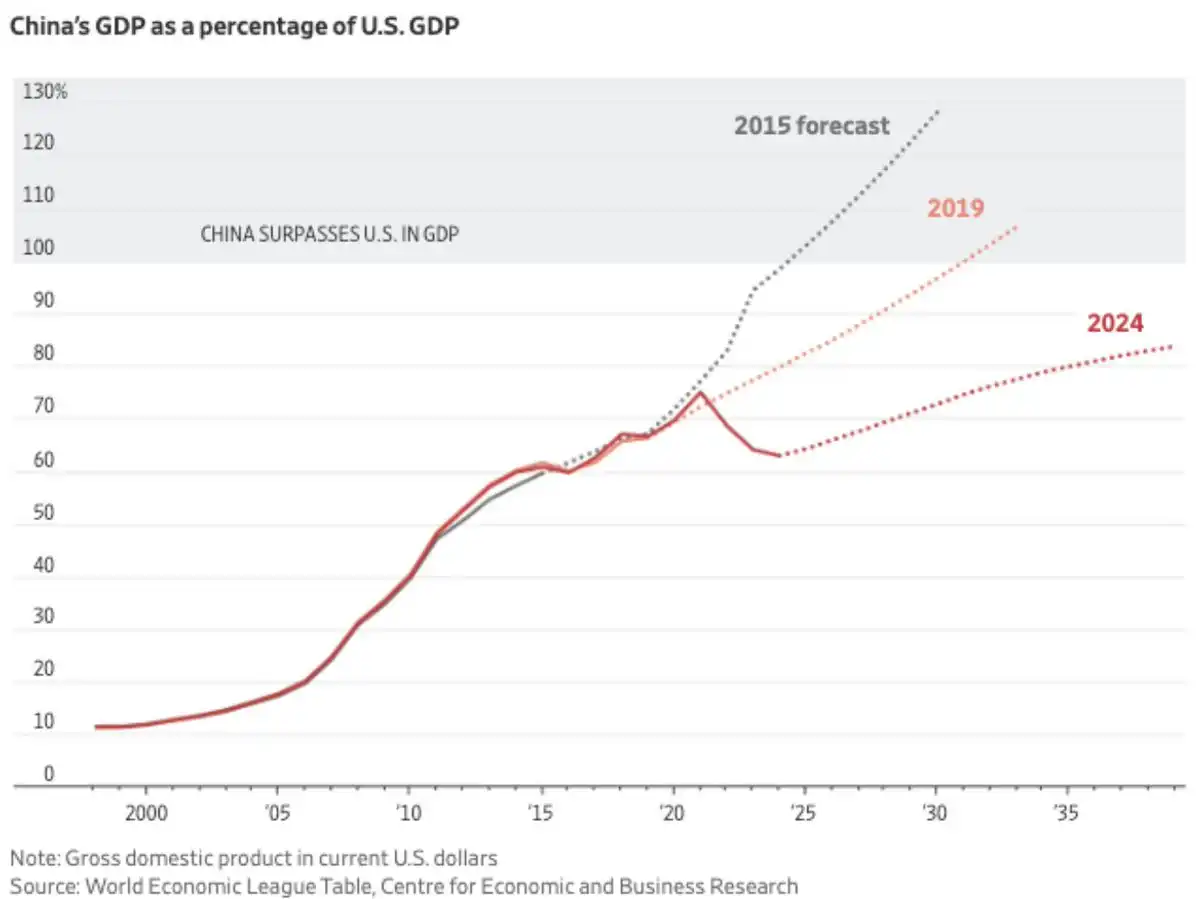
The driving force behind economic growth comes from the free market, deregulation, small government, and technological innovation. These factors not only lower prices but also create more job opportunities, increase tax revenue, and improve healthcare services. It has been proven that the effective way to escape poverty and achieve universal prosperity is not socialism but rather free-market capitalism. If other G20 countries wish to share in the benefits of economic prosperity, they should align with this growing trend of economic freedom and free markets.
At Coinbase, we are always committed to advancing global economic freedom. Just as with freedom of speech or religious freedom, economic freedom is a cornerstone of a prosperous society and civilizational progress. And we believe that cryptocurrency is a key technology driving global economic freedom.
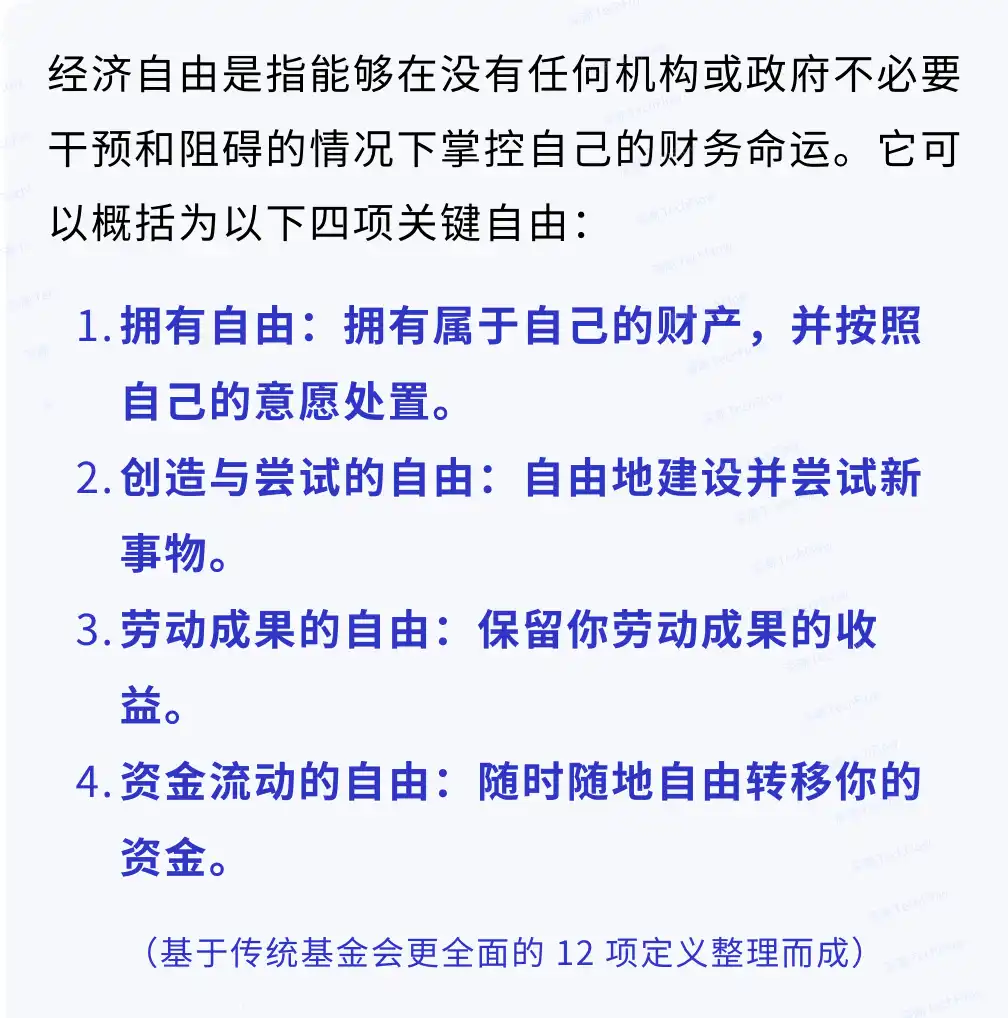
Original image credit to Brian Armstrong, translated by Deep Tide TechFlow
According to our survey, over three-quarters of adults worldwide express a desire for greater economic freedom. This result is not surprising, as research shows that economic freedom not only enhances happiness but also improves literacy rates, enhances environmental protection, and impacts various social indicators (this conclusion is supported by the World Bank, Pew Research Center, and World Economic Forum).
However, economic freedom is gradually declining globally, with many countries still operating under restrictions.
Over the past 100 years, economic freedom has been on the rise, but since the early 21st century, this trend has reversed. Today, the global average score for economic freedom has fallen to its lowest level since 2001. As a result, the majority of global economies are considered "mostly unfree" or even "repressed."
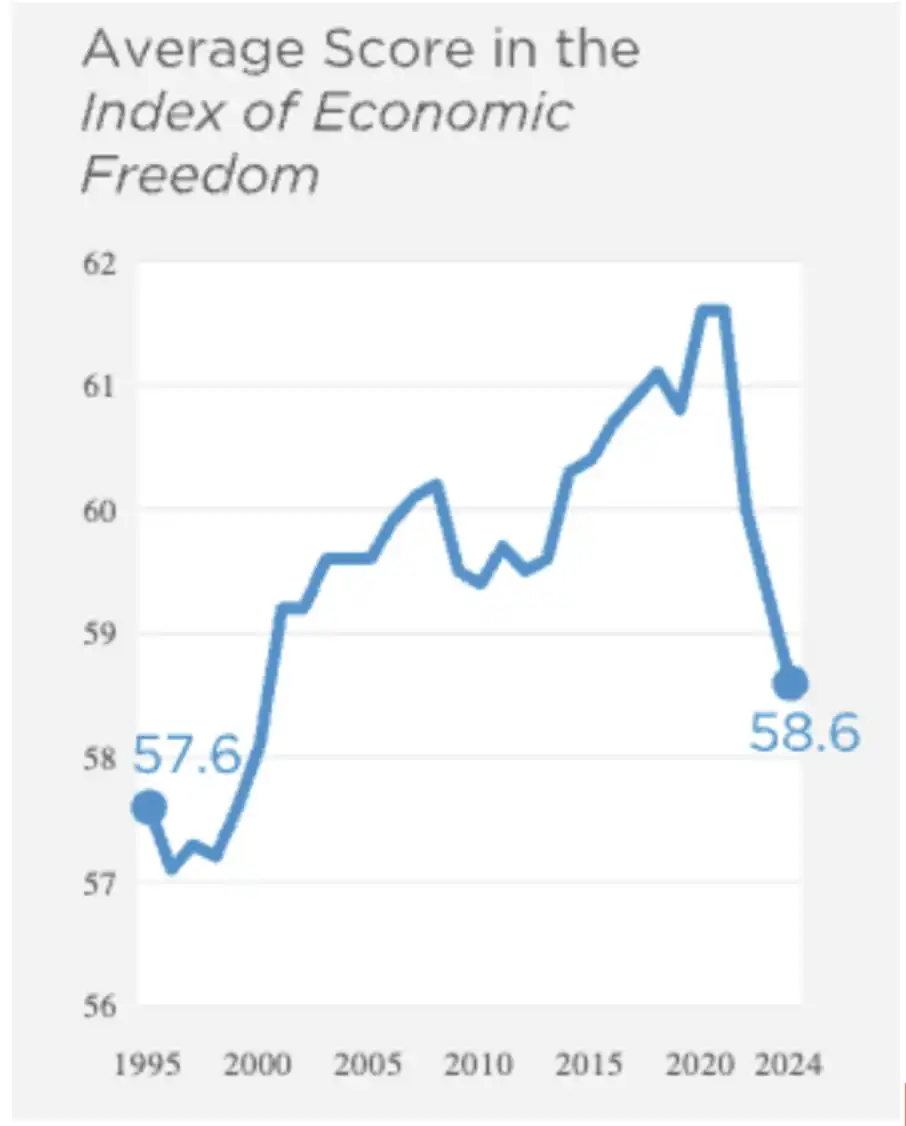
In the United States, this shift signifies a declining standard of living, with many feeling that the "American Dream" is now out of reach. Data shows that only 14% of Americans are optimistic about the future of the financial system. Globally, 70% of adults believe that their children may have a worse financial future than their parents. The decline in economic freedom is eroding people's trust in the financial system and economic institutions.
Why has the wave of socialism resurged recently? Why is this experiment always being attempted repeatedly? It seems that human nature is always easily attracted to socialism, and every generation needs to rediscover it through difficult lessons. For some, this tendency may stem from a sincere desire to help others, but they fail to realize that these policies actually harm the very group they are trying to help. While for others, it may be a way to exploit people's ignorance to seize power, or this tendency may stem from a deep-seated disdain for humanity or oneself.
Whatever the reasons may be, history tells us that whenever humanity faces challenges, innovative solutions are always found. From the printing press to the steam engine, from electricity to the internet—every technological breakthrough has reinvigorated economic vitality, given people more choices, and propelled the advancement of civilization. And cryptocurrency will be the next chapter in this story.
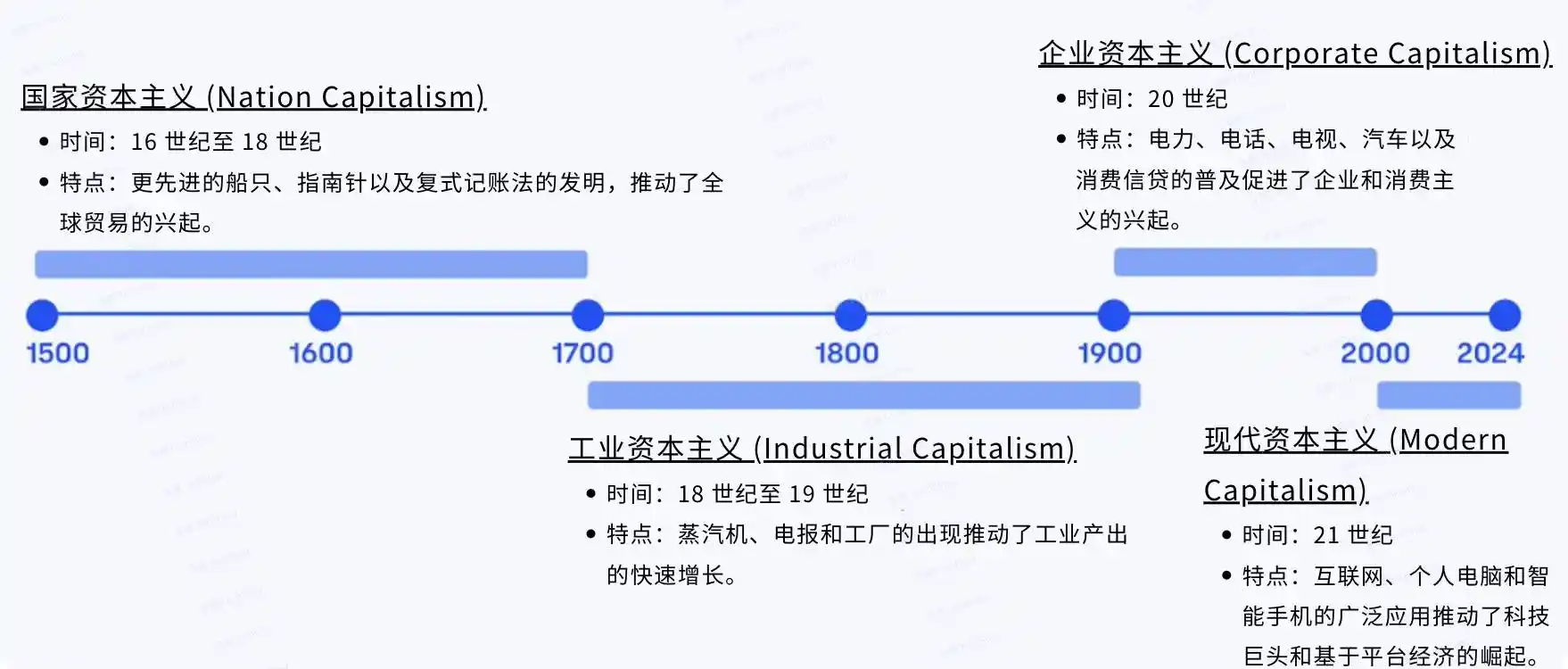
Original image from Brian Armstrong, translated by DeepTech TechFlow
Cryptocurrency Can Open a New Chapter of Capitalism: The Era of Economic Freedom.
1. Stable Currency: Stablecoins are becoming a revolutionary application in the cryptocurrency field, with their transaction volume growing more than threefold year over year, reaching around $27 trillion. The use cases of stablecoins have expanded from mere transactions to people's daily financial lives, especially in emerging markets, where these regions are leading globally in the adoption of stablecoins. For example, in Argentina, around 5 million people actively use cryptocurrency for daily payments, and in emerging markets, saving in dollars has become the second most popular use case of stablecoins.
2. Free Trade: Cryptocurrency relies on a global network, breaking the restrictions of intermediaries and national borders, greatly promoting free trade. Layer 2 is now capable of completing global transactions in less than 1 second, with fees lower than 1 cent, making cryptocurrency the only payment method that satisfies the three characteristics of "fast, low-cost, global." This technology has unlocked unprecedented trade freedom for individuals and businesses. Compared to traditional payment services, cryptocurrency transfers are not only fast and inexpensive but also have no restrictions on transaction frequency or amount. According to a study by Visa, in Australia, Brazil, Germany, Hong Kong, South Africa, the United States, and the United Kingdom, one of the main reasons people choose to use cryptocurrency is to enjoy transaction freedom and lower fees.
3. Property Rights: Cryptocurrency replaces courts or intermediaries with code and encryption technology, providing secure and enforceable protection for property rights globally. Currently, over 5 billion people worldwide (about two-thirds of the total population) lack proof of ownership of housing or land, and governments around the world are trying to use cryptocurrency to address this issue. On the blockchain, ownership information cannot be tampered with, and smart contracts can automatically enforce ownership-related rights to ensure their protection. For example, Georgia has already begun migrating land registry information to the blockchain, and Sweden is also testing a blockchain-based land registration system.
4. Freedom of Access: Cryptocurrency is breaking down borders and building a more inclusive global financial system. It not only allows people to retain more of their hard-earned wealth but also enables them to more fully utilize that wealth. Decentralized Finance (DeFi) is fundamentally changing the accessibility of financial services. It provides equal opportunities for anyone with internet access, whether they are entrepreneurs in remote areas or the approximately 1.4 billion people globally who are unbanked, to participate in the global economy.
Today, cryptocurrency adoption and usage have reached a critical inflection point. Currently, nearly 7% of the global population owns cryptocurrency, and behind this trend is people using it to solve real-world economic problems.
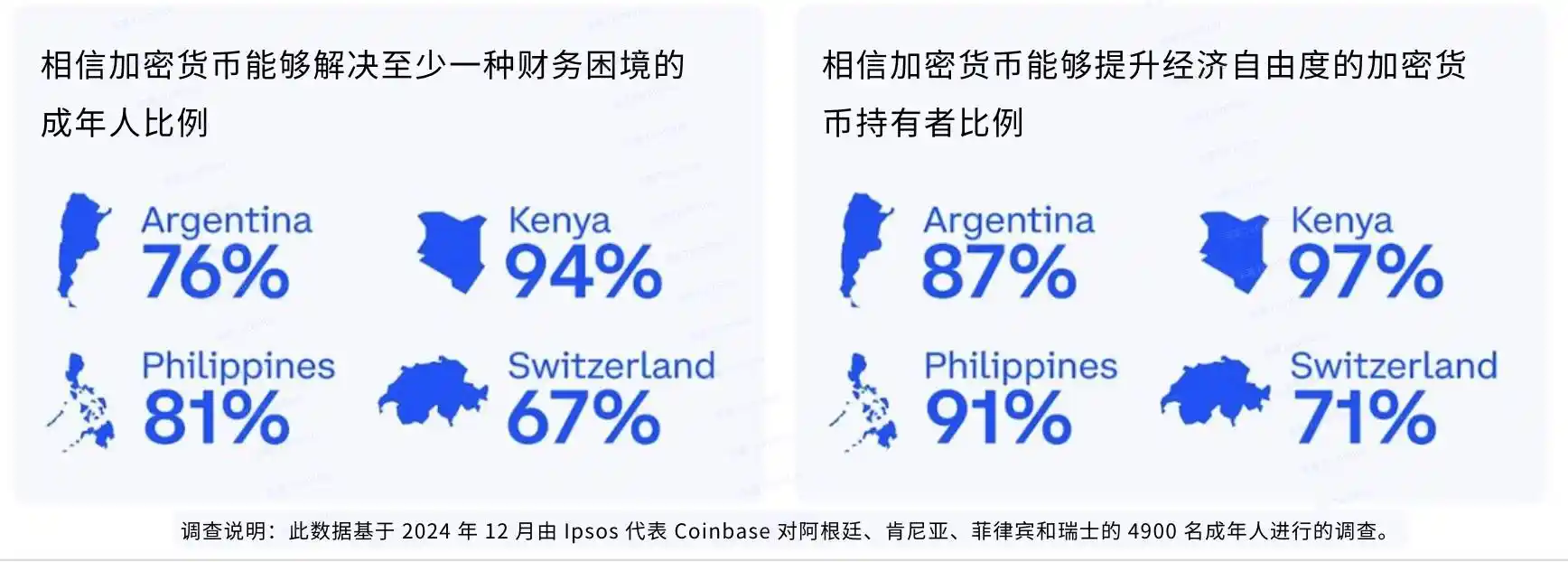
The original image is from Brian Armstrong, translated by DeepTech TechFlow
How to Enhance Economic Freedom in 2025
World Leaders and Policymakers: Now is the time to embrace cryptocurrency and techno-optimism to drive economic freedom and human progress. This year, you can take the following four practical actions:
1. Enact laws that support the vibrant growth of cryptocurrency locally. Cryptocurrency is an emerging and unique technology that should not be constrained by outdated laws. Policymakers need to focus on creating a clear and forward-looking regulatory framework that encourages this innovation to flourish locally rather than pushing it overseas. Otherwise, there may be a risk of being left behind by the times.
2. Establish a Bitcoin strategic reserve. Bitcoin has been the most prominent asset class since its inception and has gradually established itself as a key tool against inflation. The future global competition will focus on the digital economy rather than space exploration. Bitcoin may, like gold, become the foundation of the global economy and play a significant role in the balance of power between nations. In a world where the amount of Bitcoin held can influence the geopolitical landscape, governments worldwide will strive to establish strategic Bitcoin reserves. This will not only strengthen and enhance the domestic economy but also position countries at the forefront of the digital age. Those countries that fail to act in a timely manner may gradually lose their competitiveness and foothold.
3. Support economic zones that provide innovators with the freedom to experiment with bold ideas. Through experimental and innovative models similar to sandbox mechanisms, innovators can be provided with a safe environment to learn and grow through practice. Historically, we have witnessed the success of this model in cities like Shenzhen and Hong Kong. Projects like Prospera, embracing cryptocurrency, are expected to further accelerate the pace of innovation.
4. Improve government efficiency. As demonstrated by Argentine presidential candidate Milei and the exploration of the cryptocurrency DOGE, we are realizing that excessive government intervention often fails to effectively solve problems and instead becomes a problem itself. No matter who you are or where you are, cryptocurrency can benefit you. Even if you do not directly use cryptocurrency-based financial services, you can still benefit indirectly. Cryptocurrency is becoming a civil "check and balance" force against authoritarian governments, overregulation, legal abuse, rising fiscal deficits, and hindrances to innovation.
Everyone's Responsibility: Each and every one of us has a responsibility to drive a new path of development, where innovators, technological advancement, and free markets are at the core of economic growth, rather than relying on government intervention. We should actively embrace economic freedom and promote a more open policy environment. The progress and prosperity of society depend on our collective efforts.
You may also like

Gold Plunges Over 4%, Silver Crashes 11%, Stock Market Plummet Triggers Precious Metals Algorithmic Selling Pressure?

Coinbase and Solana make successive moves, Agent economy to become the next big narrative

Aave DAO Wins, But the Game Is Not Over

Coinbase Earnings Call, Latest Developments in Aave Tokenomics Debate, What's Trending in the Global Crypto Community Today?
ICE, the parent company of the NYSE, Goes All In: Index Futures Contracts and Sentiment Prediction Market Tool

On-Chain Options: The Crossroads of DeFi Miners and Traders

How WEEX and LALIGA Redefine Elite Performance
WEEX x LALIGA partnership: Where trading discipline meets football excellence. Discover how WEEX, official regional partner in Hong Kong & Taiwan, brings crypto and sports fans together through shared values of strategy, control, and long-term performance.

Best Crypto to Buy Now February 10 – XRP, Solana, Dogecoin
Key Takeaways XRP is set to revolutionize cross-border transactions, potentially reaching $5 by the end of Q2 with…

Kyle Samani Criticizes Hyperliquid in Explosive Post-Departure Market Commentary
Key Takeaways: Kyle Samani, former co-founder of Multicoin Capital, publicly criticizes Hyperliquid, labeling it a systemic risk. Samani’s…

Leading AI Claude Forecasts the Price of XRP, Cardano, and Ethereum by the End of 2026
Key Takeaways: XRP’s value is projected to reach $8 by 2026 due to major institutional adoption. Cardano (ADA)…

Bitcoin Price Prediction: Alarming New Research Cautions Millions in BTC at Risk of ‘Quantum Freeze’ – Are You Ready?
Key Takeaways Quantum Threat to Bitcoin: The rise of quantum computing presents a unique security challenge to Bitcoin,…
XRP Price Prediction: Could XRP Ultimately Surpass Bitcoin and Ethereum?
Key Takeaways XRP has maintained a strong position despite a recent 12% drop, suggesting potential for growth. Analyst…

Best Crypto to Buy Now February 6 – XRP, Solana, Bitcoin
Key Takeaways The cryptocurrency market is experiencing pressure due to a technology-sector selloff, affecting digital assets like Bitcoin.…

South Korea Broadens Crypto Market Investigation Following Bithumb’s $44 Billion Bitcoin Error
Key Takeaways South Korea intensifies scrutiny on cryptocurrency exchange operations after Bithumb’s significant Bitcoin transaction error. Regulatory bodies,…
Tom Lee-Supported Bitmine Dominates 3.6% of Ethereum Supply Post-Price Crash
Key Takeaways Bitmine Immersion Technologies now controls 3.6% of Ethereum’s total supply after strategic purchases during market downturns.…

XRP Yearly Returns Hit Record Low Since 2023
Key Takeaways XRP’s yearly returns are at their lowest since 2023, as the crypto market grapples with a…

BTC Traders Eye $50K as Potential Bottom: Key Metrics to Monitor This Week
Key Takeaways Traders are closely monitoring the potential bottom for Bitcoin at $50,000 as recent price movements suggest…

Fraudulent ‘XRP’ Issued Token Sparks Confusion on the XRP Ledger
Key Takeaways An imposter XRP token is causing bewilderment within the XRP community by being superficially identical to…


 App
App