
- Buy Crypto
- Markets
 Futures
- Spot
- Copy Trade
- Earn
- More
Data Analysis: How has the Monad Testnet performed since its launch?

Original Title: Monad: Public Testnet
Original Author: Hess
Original Translation: Deep Tide TechFlow
The Monad testnet was officially launched on February 19th!
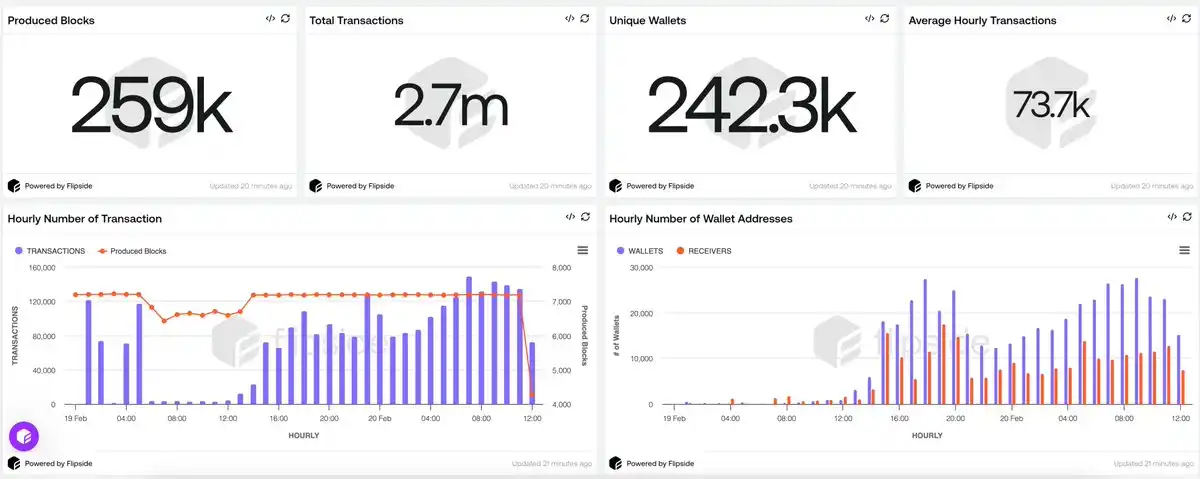
So far, the network has successfully processed nearly 2.7 million transactions, covering 242,300 unique addresses, with a transaction success rate of 98%, and a block generation time of just 0.5 seconds.
In the initial hours after launch, Monad ran smoothly and achieved peak performance of 3000 transactions per second (TPS).
Let's delve deeper into this project!

Before we proceed, you can check out detailed information through this link.
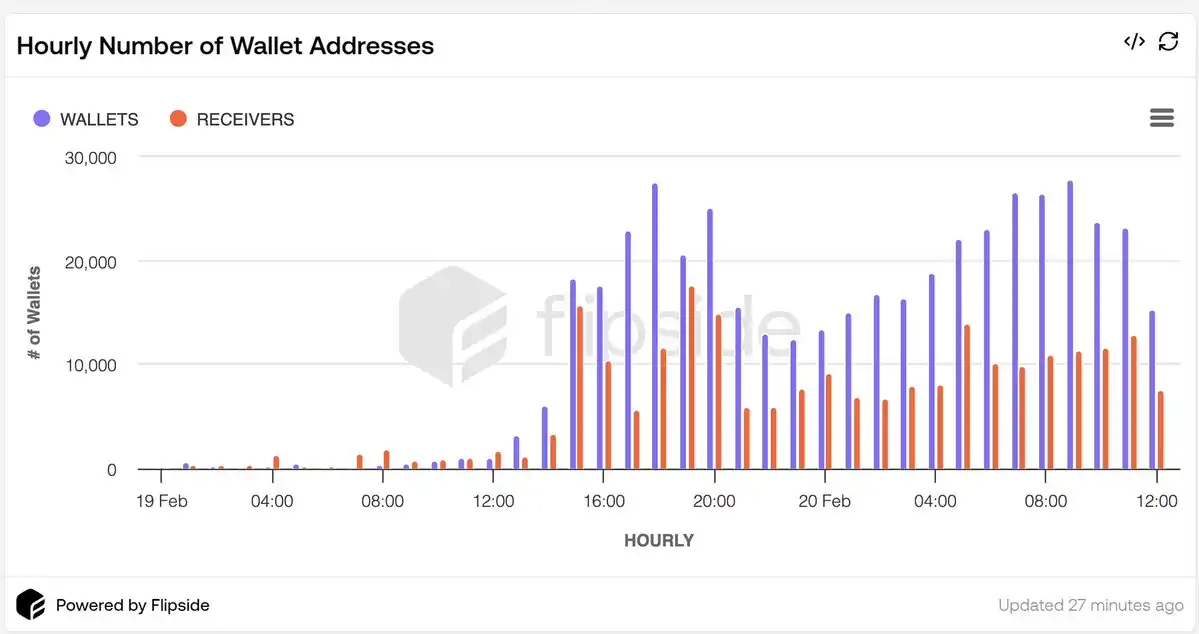
According to Monad's official data, they distributed testnet tokens to around 8.8 million active Ethereum addresses to attract more users to participate in testing and validate network performance.
In less than 24 hours, 3% of these addresses have completed their first transaction on the Monad network.
This ratio is rapidly increasing and is expected to reach 10% in a short time.
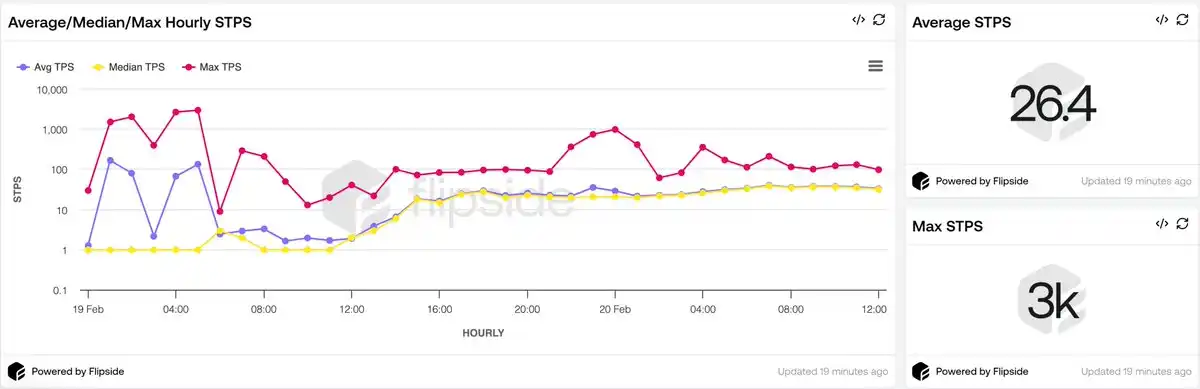
The large-scale distribution of testnet tokens has directly driven a significant increase in TPS.
Within just two hours of launch, Monad's average transactions per second (ATPS) reached a peak of 3000.
Currently, Monad's average ATPS is 26, a data point that better reflects the network's performance in daily operation.
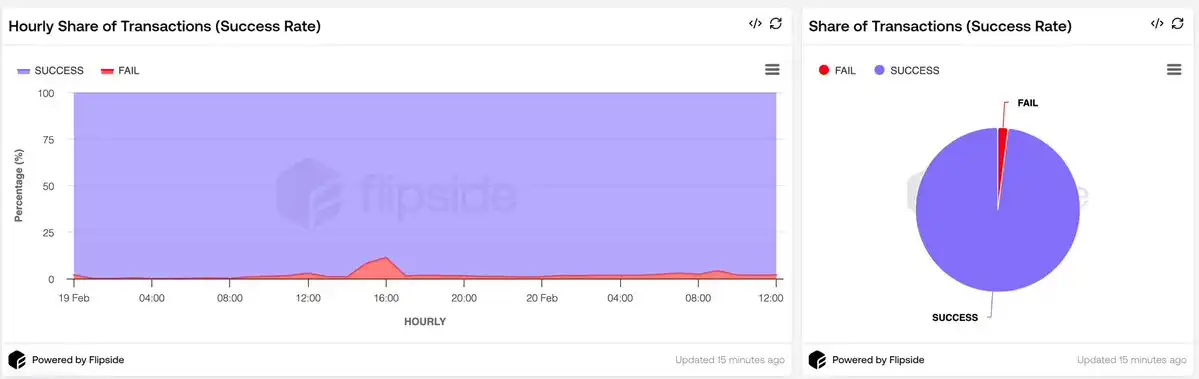
Monad's success rate has placed it among the top players in the blockchain field.
According to testnet data, Monad's transaction success rate is as high as 98%, an impressive performance.
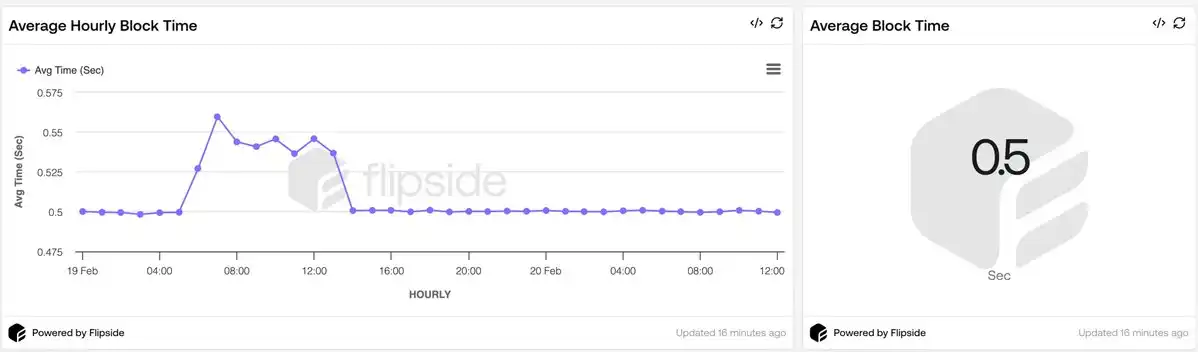
Block time has always been one of Monad's key optimization areas prior to launch.
Test data shows that Monad has an average block time of only 0.5 seconds, making it one of the fastest blockchains currently available, ideal for high-frequency trading and real-time applications.
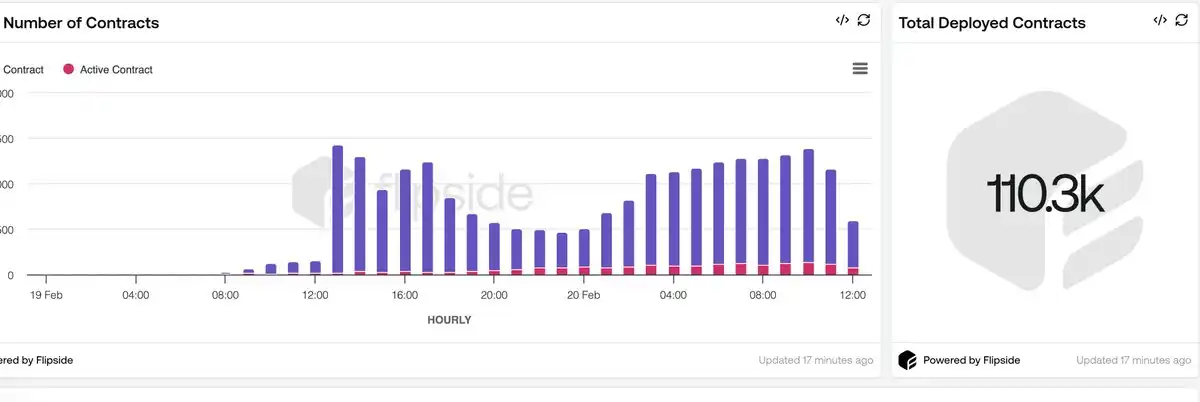
Since the launch of the testnet, Monad has deployed nearly 110,300 smart contracts.
An average of 5,000-6,000 contracts are added per hour, with the current number of active contracts at 500, demonstrating the network's robust activity.
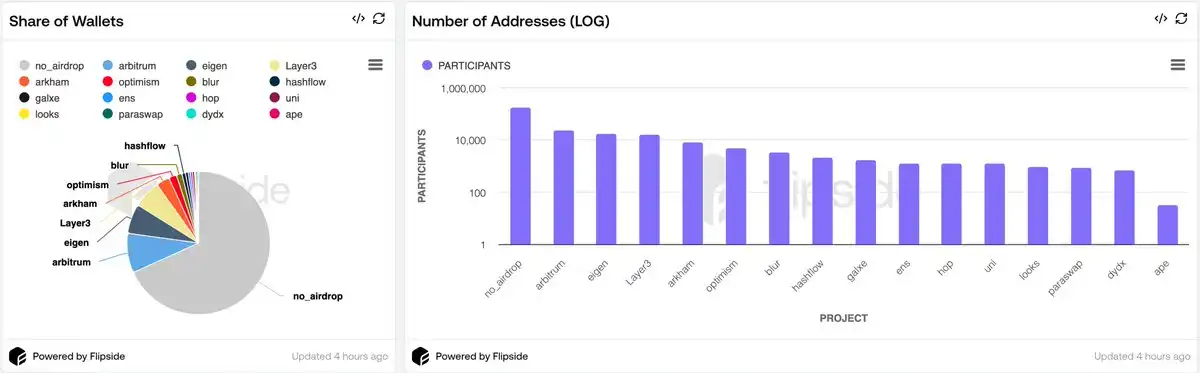
Notably, in addresses that conducted their first transaction on Monad, approximately 77% did not receive airdrops from other popular blockchains or platforms.
Among them, addresses for Airdrops from Arbitrum, Eigen, and Layer3 accounted for the largest proportion.
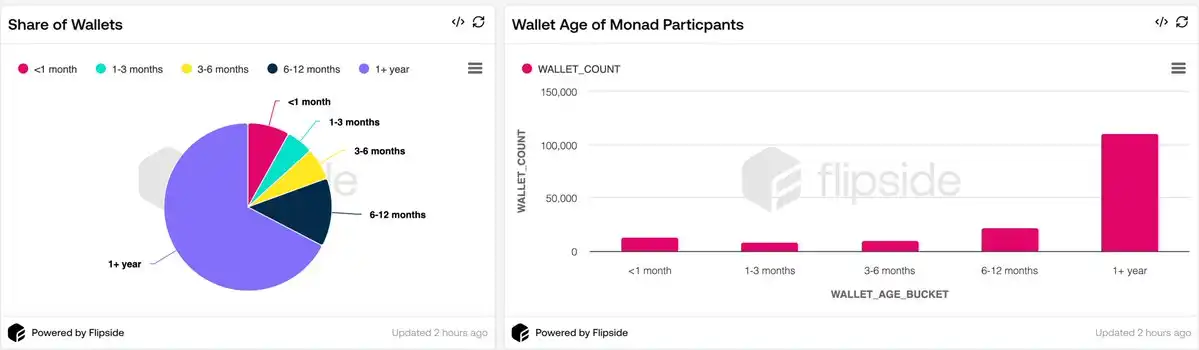
Based on first transaction data analysis of EVM on-chain addresses, 67% of addresses have been active for over a year, while 8% of addresses have been active for less than a month.
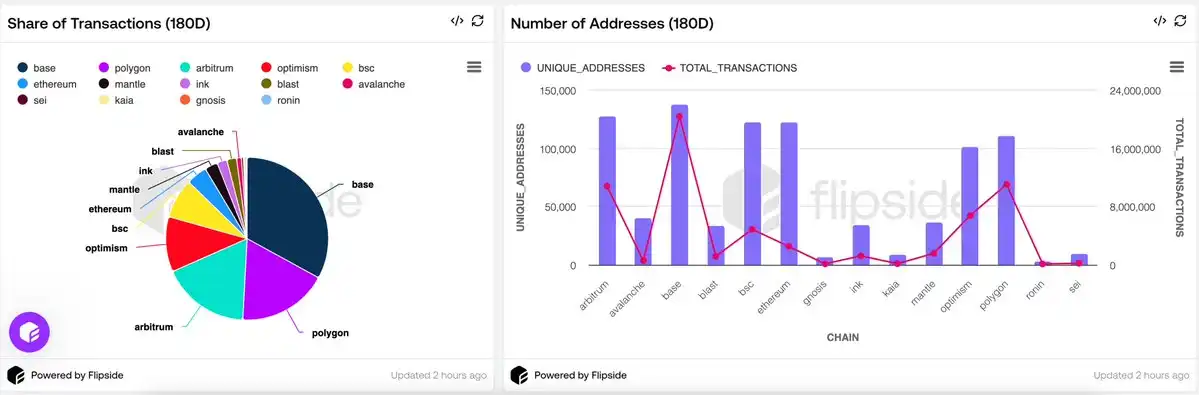
On which blockchains are Monad participants most active?
The data shows that over the past 6 months, Base, Polygon, and Arbitrum have become the top three blockchains where Monad participants are most active. These three chains have attracted a large number of users' attention and usage due to their high performance, low transaction costs, and rapidly growing ecosystems.
You may also like

Resigned in Less Than a Year of Taking Office, Why Did Yet Another Key Figure at the Ethereum Foundation Depart?

Russian-Ukrainian War Prediction Market Analysis Report

Ethereum Foundation Executive Director Resigns, Coinbase Rating Downgrade: What's the Overseas Crypto Community Talking About Today?

Who's at the CFTC Table? A Rebalancing of American Fintech Discourse

AI Trading vs Human Crypto Traders: $10,000 Live Trading Battle Results in Munich, Germany (WEEX Hackathon 2026)
Discover how AI trading outperformed human traders in WEEX's live Munich showdown. Learn 3 key strategies from the battle and why AI is changing crypto trading.

Elon Musk's X Money vs. Crypto's Synthetic Dollars: Who Wins the Future of Money?
How do Synthetic Dollars work? This guide explains their strategies, benefits over traditional stablecoins like USDT, and risks every crypto trader must know.

The Israeli military is hunting a mole on Polymarket

Q4 $667M Net Loss: Coinbase Earnings Report Foreshadows Challenging 2026 for Crypto Industry?

BlackRock Buying UNI, What's the Catch?

Lost in Hong Kong

Gold Plunges Over 4%, Silver Crashes 11%, Stock Market Plummet Triggers Precious Metals Algorithmic Selling Pressure?

Coinbase and Solana make successive moves, Agent economy to become the next big narrative

Aave DAO Wins, But the Game Is Not Over
Coinbase Earnings Call, Latest Developments in Aave Tokenomics Debate, What's Trending in the Global Crypto Community Today?
ICE, the parent company of the NYSE, Goes All In: Index Futures Contracts and Sentiment Prediction Market Tool

On-Chain Options: The Crossroads of DeFi Miners and Traders

How WEEX and LALIGA Redefine Elite Performance
WEEX x LALIGA partnership: Where trading discipline meets football excellence. Discover how WEEX, official regional partner in Hong Kong & Taiwan, brings crypto and sports fans together through shared values of strategy, control, and long-term performance.

Best Crypto to Buy Now February 10 – XRP, Solana, Dogecoin
Key Takeaways XRP is set to revolutionize cross-border transactions, potentially reaching $5 by the end of Q2 with…
Resigned in Less Than a Year of Taking Office, Why Did Yet Another Key Figure at the Ethereum Foundation Depart?
Russian-Ukrainian War Prediction Market Analysis Report
Ethereum Foundation Executive Director Resigns, Coinbase Rating Downgrade: What's the Overseas Crypto Community Talking About Today?
Who's at the CFTC Table? A Rebalancing of American Fintech Discourse
AI Trading vs Human Crypto Traders: $10,000 Live Trading Battle Results in Munich, Germany (WEEX Hackathon 2026)
Discover how AI trading outperformed human traders in WEEX's live Munich showdown. Learn 3 key strategies from the battle and why AI is changing crypto trading.
Elon Musk's X Money vs. Crypto's Synthetic Dollars: Who Wins the Future of Money?
How do Synthetic Dollars work? This guide explains their strategies, benefits over traditional stablecoins like USDT, and risks every crypto trader must know.


 App
App