
- Buy Crypto
- Markets
 Futures
- Spot
- Copy Trade
- Earn
- More
What Is Tokenized Gold? Exploring Digital Assets Backed by Real Gold in 2026

Tokenized gold has surged in popularity amid rising economic uncertainty, with projects like Tether Gold (XAUT) making headlines for its massive gold reserves. As of February 23, 2026, XAUT trades at $4,999.36 USD, reflecting a slight 0.05% uptick in the last 24 hours, according to CoinMarketCap data. This growth ties into broader trends where issuers like Tether hoard physical gold—recent reports show them holding about 140 tons, valued at over $23 billion, rivaling central bank purchases. In this article, we’ll break down what tokenized gold really means, dive into its mechanics, benefits, and risks, and offer price predictions based on market analysis. Expect short-term forecasts influenced by global gold prices, long-term outlooks tied to blockchain adoption, and actionable insights for beginners navigating this hybrid asset class.
Understanding the Basics of Tokenized Gold
Tokenized gold essentially turns physical gold into a digital asset you can own and trade on the blockchain. At its core, this process involves storing real gold bars in secure vaults and issuing digital tokens that represent ownership of that gold. Each token corresponds to a specific amount, like one troy ounce, backed by verifiable reserves. For instance, Tether Gold (XAUT) lets users hold a token pegged to one ounce of LBMA-certified gold stored in Swiss vaults, blending the timeless appeal of gold with crypto’s speed and accessibility.
This innovation bridges traditional finance and Web3. Physical gold has long served as a hedge against inflation, but buying, storing, and selling it involves high costs and logistics. Tokenized gold changes that by leveraging blockchain technology to create fractional ownership. You could own as little as 0.000001 ounces through XAUT, which is issued on Ethereum (ERC-20) and Tron (TRC-20) networks. This setup allows seamless transfers without moving physical assets, making it easier for everyday investors to dip into gold without needing a safe or a broker.
Crypto analyst Jameson Lopp recently noted in a CoinDesk interview, “Tokenized assets like gold are democratizing access to commodities that were once reserved for the wealthy.” His point highlights how these tokens lower barriers, especially in volatile markets where gold’s value preservation shines.
How Tokenized Gold Works in Practice
The mechanics of tokenized gold start with selecting high-quality physical gold, often meeting standards from the London Bullion Market Association (LBMA). Issuers then create digital tokens using standards like ERC-20, minting them on a chosen blockchain. For transparency, they integrate proofs of reserves, allowing users to verify the backing via smart contracts. Distribution happens through exchanges or wallets, and ongoing synchronization ensures the token supply matches the gold held.
Take Tether Gold as a prime example. Issued by TG Commodities Limited, a subsidiary of Tether, each XAUT token represents one ounce of refined gold in Swiss vaults. Users can check specific bar details, such as serial numbers and purity, through Tether’s tools, fostering trust. This system supports cross-chain interoperability, meaning you can move tokens between Ethereum and Tron for lower fees or faster speeds.
In operation, tokenized gold integrates with DeFi protocols. Holders might use it as collateral for loans or yield farming, earning returns on an otherwise static asset. However, redemption for physical gold requires meeting minimums—like 430 XAUT for a full bar—adding a layer of practicality that beginners should note.
Benefits of Investing in Tokenized Gold Assets
One major draw of tokenized gold is its accessibility, enabling small-scale investments that physical gold can’t match. Traditional gold buying often demands large sums for bars or coins, plus storage fees. With tokenized versions, you buy fractions digitally, trading 24/7 on exchanges. This liquidity turns gold into a more dynamic asset, perfect for portfolio diversification amid crypto volatility.
Transparency stands out too. Blockchain’s immutable ledger lets investors audit reserves in real-time, reducing fraud risks compared to paper gold certificates. Efficiency comes from smart contracts automating transfers, slashing settlement times from days to seconds. Plus, integration with DeFi opens doors to borrowing or lending against your holdings, potentially generating passive income.
According to a 2025 Tether report, XAUT’s market cap reached $853.7 million in Q1, underscoring growing demand. As Paolo Ardoino, Tether’s CEO, stated in a recent Bloomberg interview, “We’re not just digitizing gold; we’re making it a core part of the crypto economy.” This perspective emphasizes how tokenized gold preserves value while adding utility, appealing to both traditional investors and crypto natives.
Risks and Challenges in the Tokenized Gold Market
Despite the upsides, tokenized gold isn’t without pitfalls. Centralization risks loom large, as you rely on the issuer to maintain reserves honestly. If audits falter or vaults face issues, token values could suffer. Market risks also play in—while pegged to gold prices, tokens might deviate during crypto crashes, as seen in past bear markets where liquidity dried up.
Smart contract vulnerabilities add another layer; bugs could lead to hacks, though reputable projects like XAUT undergo regular audits. Regulatory hurdles persist too, with governments scrutinizing stablecoins. Tether faces ongoing scrutiny similar to USDT, which could impact XAUT’s adoption.
Balancing this, consider diversification. As a seasoned trader, I’ve seen tokenized gold act as a stabilizer, but always pair it with thorough research. Recent news from Reuters highlights Tether’s plan to allocate 10-15% of its portfolio to gold, potentially boosting reserves by $20-30 billion, but this ambition brings exposure to gold market swings.
Tokenized Gold Price Prediction for 2026 and Beyond
Analyzing tokenized gold’s future, let’s look at XAUT as a benchmark. As of February 23, 2026, its price sits at $4,999.36 USD, with a 24-hour volume of $186,591,301 USD and a market cap of $2,603,796,088 USD, per CoinMarketCap. The circulating supply is 520,826 XAUT, ranking it #31 overall.
Short-term, expect XAUT to track spot gold prices closely. With global inflation concerns and geopolitical tensions, gold could climb 5-10% by mid-2026, pushing XAUT toward $5,200-$5,500. Technical indicators show a stable uptrend, with the 0.05% daily gain signaling steady interest.
Long-term, blockchain adoption could drive tokenized gold higher. If DeFi grows as projected—potentially reaching $100 billion in locked value by 2030, according to Deloitte—tokens like XAUT might see 20-30% annual growth. However, competition from PAXG or KAU could cap gains unless Tether expands reserves aggressively.
For actionable advice, beginners should monitor gold futures and start small. Platforms like WEEX offer opportunities; check out their WEEX Zero Fees on Gold/Silver Futures event running from February 9 to March 9, 2026 (UTC+8), where trading pairs like XAUT-USDT enjoy 0% fees for makers and takers. Higher volumes unlock extensions up to 60 days, with rebates in USDT. Also, explore XAUT futures trading on WEEX for leveraged plays, but remember to use stop-losses to manage risks.
| Metric | Value (As of Feb 23, 2026) | Source |
|---|---|---|
| Current Price | $4,999.36 USD | CoinMarketCap |
| 24-Hour Volume | $186,591,301 USD | CoinMarketCap |
| Market Cap | $2,603,796,088 USD | CoinMarketCap |
| Circulating Supply | 520,826 XAUT | CoinMarketCap |
| 24-Hour Change | +0.05% | CoinMarketCap |
Comparing Popular Tokenized Gold Options
Several projects lead the tokenized gold space. Tether Gold (XAUT) stands out for its multi-chain support and high liquidity, backed by Tether’s dominance in stablecoins. Pax Gold (PAXG), regulated by NYDFS, appeals to compliance-focused users but lacks Tron integration. Kinesis Gold (KAU) offers yields on holdings, representing one gram per token.
XAUT’s edge comes from Tether’s ecosystem, including integrations with Bitfinex for lending and futures. As competition heats up, watch how these tokens evolve—XAUT’s weekly gold purchases, accounting for 12-14% of global central bank buys in 2024 per institutional data, position it strongly.
FAQ: Common Questions About Tokenized Gold
What is tokenized gold and how does it differ from physical gold?
Tokenized gold is a blockchain-based digital token representing ownership of real gold stored in vaults, like Tether Gold (XAUT) pegged to one ounce. Unlike physical gold, it allows fractional buying, instant trading, and DeFi use without storage hassles, though it relies on issuer transparency.
How can beginners invest in tokenized gold like XAUT?
Start by choosing a reputable exchange supporting XAUT, such as WEEX or Binance, and use a compatible wallet like MetaMask. Research fees—XAUT has a 0.25% purchase fee—and consider events like WEEX’s zero-fee promotions for cost-effective entry.
What are the risks of tokenized gold investments?
Key risks include issuer centralization, where reserve mismanagement could devalue tokens, and market volatility tying into both gold and crypto fluctuations. Smart contract bugs pose threats, so opt for audited projects like XAUT and diversify your portfolio.
Is tokenized gold a good hedge against inflation?
Yes, tokenized gold retains gold’s anti-inflation properties while adding liquidity. With XAUT’s price anchored to physical gold, it serves as a stable store of value, especially in high-inflation regions, as noted in Tether’s 2025 reports.
How does tokenized gold integrate with DeFi?
Tokenized gold like XAUT can be used as collateral in DeFi for lending or borrowing, earning yields. This integration boosts utility, but ensure platforms are secure to avoid liquidation risks during price dips.
What is the future outlook for tokenized gold prices?
Short-term, tokenized gold prices may rise with global uncertainties, potentially hitting $5,500 for XAUT by late 2026. Long-term, broader adoption could drive 20%+ growth, though regulatory changes might introduce volatility.
In wrapping up, tokenized gold represents a smart evolution for investors seeking stability in crypto’s wild ride. From my experience trading these assets, the real value lies in how they blend gold’s reliability with blockchain’s innovation—think of it as gold getting a digital upgrade without losing its shine. As Tether pushes boundaries with massive reserves, keep an eye on integration trends; they could redefine safe-haven investing. Just approach with caution, balancing potential rewards against inherent risks.
DISCLAIMER: WEEX and affiliates provide digital asset exchange services, including derivatives and margin trading, only where legal and for eligible users. All content is general information, not financial advice—seek independent advice before trading. Cryptocurrency trading is high risk and may result in total loss. By using WEEX services you accept all related risks and terms. Never invest more than you can afford to lose. See our Terms of Use and Risk Disclosure for details.
You may also like
Is Gold a RWA? Unpacking Tokenized Gold’s Rise in 2026
As we hit early 2026, the crypto world is buzzing with real-world assets making waves, and gold is…

What is Maxxing (MAXXING) Coin
We are thrilled to announce the recent listing of the Maxxing (MAXXING) token on WEEX, a new addition…
MAXXING USDT Debuts on WEEX: maxxing (MAXXING) Coin Listing Live
According to CoinMarketCap data extracted on 2026-02-23, maxxing (MAXXING) is gaining traction as a hot on-chain token on…

What is Lobstar (LOBSTAR) Coin
WEEX Exchange is pleased to announce the new listing of Lobstar (LOBSTAR), an exciting new token that has…

LOBSTAR USDT Trading Debuts on WEEX: Lobstar (LOBSTAR) Coin Listed
Exciting news for crypto traders: WEEX Exchange has officially listed Lobstar (LOBSTAR) Coin on its spot market, opening…
What is Nox (NOX) Coin
Dive into the crypto world as we introduce Nox (NOX), a token recently listed on WEEX. Officially available…

WEEX Debuts Nox (NOX) Coin World Premiere: NOX USDT Trading Starts Feb 23
As a seasoned crypto trader with years navigating Web3 waves, I’m thrilled to spotlight WEEX Exchange’s world premiere…

Is Gold Going to Be Tokenized? The Future of Digital Assets Backed by Precious Metals
Gold has long served as a safe haven during economic uncertainty, but recent developments in the crypto world…

Which Is the Most Trusted Digital Gold? A Deep Dive into Top Choices for Crypto Investors
As of February 23, 2026, the digital gold market continues to draw attention amid rising interest in tokenized…
Best Tokenized Gold in 2026: Why Tether Gold (XAUT) Stands Out as a Top Choice
As gold prices continue to climb amid global economic shifts, tokenized gold has emerged as a smart way…
XAUT Guide: What Is the Minimum Amount Required to Redeem Physical Gold Through Tether?
Tether Gold, known by its token symbol XAUT, has been making waves in the crypto space with its…
Which Crypto Is Tied to Gold? A Guide to Gold-Backed Tokens and Their Market Outlook
As gold prices hover around record highs in early 2026, with spot gold reaching over $2,500 per ounce…
Is XAUT the Same as XAU? Breaking Down the Differences and What It Means for Investors
As of February 23, 2026, Tether Gold (XAUT) has seen its market cap surpass $2.1 billion, backed by…
Why Doesn’t Warren Buffett Buy Gold? Lessons for Crypto Investors in 2026
Gold prices have surged again in early 2026, hitting new highs amid global economic uncertainty, with spot gold…
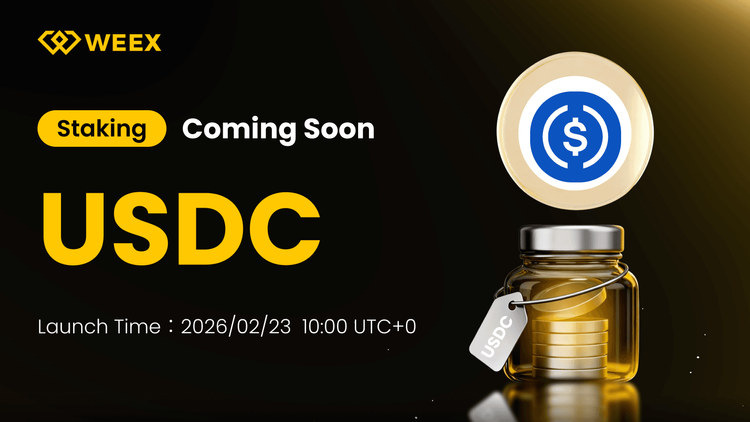
WEEX Launch USDC Staking: What You Need to Know
Start USDC staking on WEEX and earn 3.5% APR. Flexible terms, no lock-ups, and instant rewards. Stake as little as 10 USDT. Register now.
MAXXING Token Price Prediction & Forecasts for February 2026: Fresh Listing Sparks Early Volatility – Will It Rally?
The MAXXING Token, a fresh entrant in the Solana ecosystem, just went live on major exchanges today, February…

LOBSTAR Coin Price Prediction & Forecasts for February 2026 – Potential Surge After Today’s Launch?
LOBSTAR Coin has just hit the Solana blockchain today, February 23, 2026, at 11:00 AM UTC, marking an…

Nox\n (NOX) Coin Price Prediction & Forecast for February 2026: Could It Surge 50% Amid AI Agent Buzz?
Nox\n (NOX) Coin has been turning heads since its launch on February 23, 2026, with its unique tie…
Is Gold a RWA? Unpacking Tokenized Gold’s Rise in 2026
As we hit early 2026, the crypto world is buzzing with real-world assets making waves, and gold is…
What is Maxxing (MAXXING) Coin
We are thrilled to announce the recent listing of the Maxxing (MAXXING) token on WEEX, a new addition…
MAXXING USDT Debuts on WEEX: maxxing (MAXXING) Coin Listing Live
According to CoinMarketCap data extracted on 2026-02-23, maxxing (MAXXING) is gaining traction as a hot on-chain token on…
What is Lobstar (LOBSTAR) Coin
WEEX Exchange is pleased to announce the new listing of Lobstar (LOBSTAR), an exciting new token that has…
LOBSTAR USDT Trading Debuts on WEEX: Lobstar (LOBSTAR) Coin Listed
Exciting news for crypto traders: WEEX Exchange has officially listed Lobstar (LOBSTAR) Coin on its spot market, opening…
What is Nox (NOX) Coin
Dive into the crypto world as we introduce Nox (NOX), a token recently listed on WEEX. Officially available…


 App
App